
845 results found for your search "Deliver Engaging and Effective Primary KS1 & 2 STEM Projects"
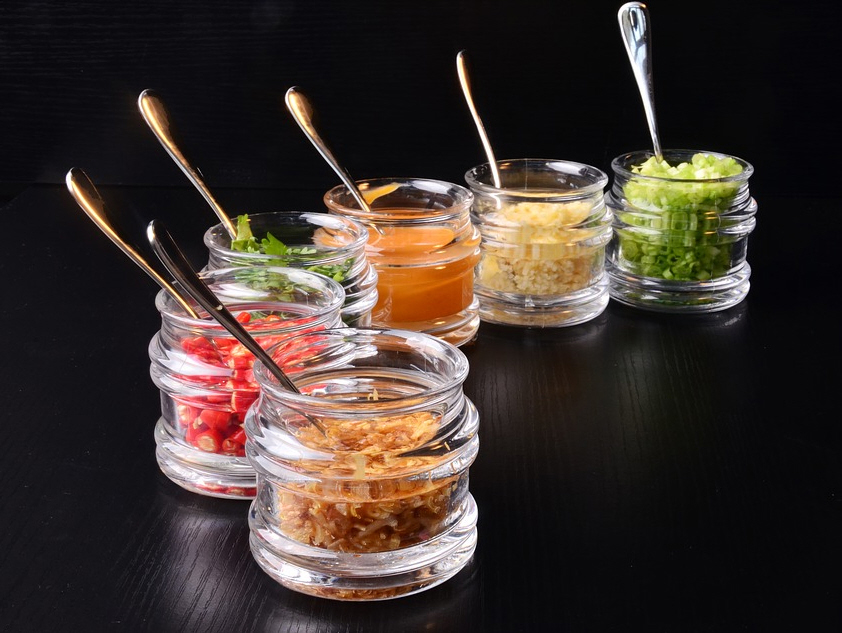
Dips and dippers YR3, Dips and DippersAge 7-9 Years First published 2007 Using this resource children investigate healthy eating and ways of processing food through designing and making healthy dips and dippers for a party. They are encouraged to think about food preferences and appropriate quantities for the particular event. The resource contains teacher planning, based on Sandwich Snacks in which children learn basic food preparation techniques and ways of combining components to create simple food products for a particular purpose. There is a help-sheet with food safety information and advice...

Chompsaw (with hole punch and scoring tool), The ChompSaw is a fantastic machine that allows even the youngest pupil cut cardboard (and some other materials) with ease. The unique cutting system keeps fingers, hair, and clothes safe while allowing learners to get hands-on with cutting cardboard shapes without the need for knives or other potentially dangerous tools. Ideal for primary D&T, but also relevant and useful for SEND and/or secondary departments too. It’s an ideal transition from hand tools to machinery, helping to develop hand-eye coordination and allowing learners to be...

Joining and fastening fabrics - PowerPoints YR1/2, 5-7 yearsFirst published 2011 A set of PowerPoint presentations and a classroom display poster which show a range of simple joining and fastening techniques with fabrics. The presentations cover tools and equipment for sewing, choosing fabrics, and different stitching and other methods of joining fabrics together. This is suitable for teaching at Key Stage 1 and the presentations come in teachers’ and children’s versions. The teachers’ version contains tips for teacher and plenty of colourful slides with prompt questions...

Myles Crump, Relevant background experience includes 34 years as a Design Technology teacher, with 25 of these as a Head of Department. Subjects taught have included Resistant Materials, Graphic Products, Product Design and Engineering. After leaving full-time teaching I worked for Liverpool John Moores University in the Design Technology Department for 2 years. I have also worked for AQA as a GCSE moderator for more than 15 years.

Director of Design & Technology and Vocational Education, Drew Wicken, Drew Wicken is Director of Design & Technology and Vocational Education at the Co-op Academies Trust, supporting 40+ schools in curriculum, teaching, and vocational education. A University of Greenwich graduate with an MA in Education, he has taught nationwide and also works with a leading exam board, supporting, developing, and moderating Level 2 qualifications. Location: North Staffordshire D&T Hub School: Co-op Academies Trust

Dom Callaghan, Experienced Leatherworker, woodworker and teacher of Blacksmithing within a school environment. Specialist area: metalwork (welding, brazing & grinding) Experience teaching within the workshop environment in most of the staple D&T projects and processes. Working for Exeter based CIC: Co Create, teaching leather/woodworking/design workshops and as a fabricator for bespoke commissions. Offering: Blacksmithing sessions to any schools who are interested and already currently have a brazing hearth. Perspective drawing/drawing for design tutorials

Robotics Mechatronics, Robotics MechatronicsModelling animal movement through robotics – October 2013 This kit includes CAD files to enable schools to produce their own components together with an explanatory PowerPoint presentation which includes diagrams and links to videos. The CAD files are templates which provide schools with a range of laser cut pieces that are easily assembled using readily available fixings and fastenings. It is intended as a prototyping tool that can be used to explore creative solutions in mechatronics and robotics project work. This resource has been developed by Sheffield Hallam University, as a result...
Funding Opportunity for Secondary Schools and Colleges , Secondary schools and colleges now have the opportunity to apply for grants of up to £100,000. This initiative is part of the Wolfson Foundation’s Secondary Education Programme, which aims to support educational institutions. The grants, which are generally allocated for new construction projects, refurbishments, and the procurement of technical equipment, present a valuable resource for schools looking to enhance their facilities and teaching methodologies. To be eligible, schools must meet certain criteria, including being state-funded, having a minimum of two years' worth...

Invitation to Tender for Key Research into ‘KS3 Inspired by Industry’ Programme, We are inviting interested organisations to submit proposals for research into the impact of our 'KS3 Inspired by Industry' projects. This initiative, aimed specifically at Key Stage 3 students, seeks to explore how real-world industry exposure is influencing young learners and shaping their career aspirations in STEM fields. Thanks to the generous support from our industry partners—Enginuity, Atkins Réalis, and AssetTagz—who have provided the necessary funding, we are now able to commission this vital research. The findings will help inform the...

Alderman Peel High School, Alderman Peel High School is an 11–16 secondary in Wells-next-the-Sea, Norfolk, and part of the Wensum Trust. Guided by values of ambition, pride, happiness and success, it provides an inclusive education. Its strong STEM provision includes a Greenpower team competing internationally and recognition as STEM School of the Year 2025. Regional D&T Lead: Amanda Moffat
Choose an option to filter your search results.
All results (845) Shop products (232) Events (30) News (225)