
162 results found for your search "textiles"
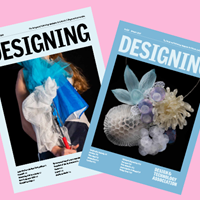
Get a Glimpse of Our Membership Benefits with Sample Articles, Inspiring Textiles through recycled fashiongomi - consumer tech out of materials nobody wantsTransforming Denim Waste into Sustainable InnovationOn the menu - Teaching food and nutrition to pupils with additional needsFostering inclusivity in design and technology educationE-waste: Repair, reuse and restartArtificial Intelligence in Design and TechnologyEmpowering Students’ Creativity: Integrating CAD and CAM into the Primary Classroom , Explore the exceptional resources and support our membership offers. Download these sample articles today and discover how our comprehensive tools can transform your teaching and align with the National Curriculum., Get a Glimpse...
2025110411174774557.png)
Designer Bags, Years 5–6 - Ages 9–11 - In this textiles unit, pupils design and make stylish, practical bags while learning techniques such as pattern making, stitching and machine sewing. They explore users’ needs, evaluate existing products and focus on producing a high-quality finished item.
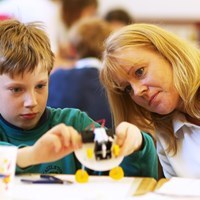
When should children in KS2 to learn about important people in D&T who have helped shaped the world?, We recommend that schools address ‘key events and individuals in D&T’ in those projects where it will be most interesting and meaningful for the children – not necessarily in every project. Schools may also want to bias this work towards Y5 and Y6. Across KS2, children should learn about a range of inventors, designers, engineers, chefs and manufacturers who have developed ground-breaking products, find out what they are famous for designing and/or making and what characteristics enabled them to become...
2025112610390677847.png)
Design and Make an Apron, Age 7-9 yearsFirst published 2008 This project on designing and making aprons guides children as they learn how textiles are used for designing and making products for different purposes and users. They consider the properties of different fabrics, their uses and how they can be joined. The PowerPoint presentation considers sourcing materials, including recycled fabrics and buckles etc, classroom management, common misconceptions in textiles teaching, types of fastening, and helps guide through the stages in the making process. A series of video clips illustrate cutting out and different stitching and joining...

Technical Vocabulary Cards, Technical vocabulary cards It is always good to have plenty of labels to encourage reading and writing and identify the materials, tools and equipment used in design and technology. When planning a sequence of making and the necessary equipment, or when captioning drawings and finished products technical vocabulary is an important area to develop. This set of 96 illustrated cards for textiles, food and workshop are for you to print out and use in classroom displays or with individuals and small groups. This item is a download.

Primary Keywords, This resource includes an Excel document listing the key vocabulary for primary Design and Technology. It is organised into designing and evaluating, making and technical knowledge, cooking and nutrition, and tools and equipment as well as identifying words specific to KS1 and KS2. Alongside the Excel document there are a collection of key word mats created in PowerPoint that can be shown on the board, used in a display or downloaded, printed and laminated for use on the pupil’s tables. These are organised into the typical strands of technical knowledge including cooking and nutrition, mechanisms, structures,...

Projects on a Page Scheme of work, The Projects on a Page scheme of work was introduced in 2014 to help primary schools in England implement the National Curriculum for D&T in an imaginative way. Based on universal principles of effective teaching and learning in D&T, it is also a valuable resource for schools in other parts of the UK and further afield.Discover the bundles Projects on a Page: Key Stage 1 pack of five project planners 2023 Projects on a Page: Early Key Stage 2 Pack of Nine Planners Projects on a...
Essential Manufacturing Skills: Mastering Textile Construction Techniques, An Essential Sewing & Making Skills Course for Teachers of GCSE & A Level Fashion & Textiles for both Art & Design and D&T. In Partnership with Design & Technology Association, this is a new course from the Textile Skills Centre hosted at D&TA Centre in Banbury and with support from Janome UK. This is a totally practical day learning and practicing a variety of sewing and making skills and threading and trouble shooting sewing machine faults. This course is open to teachers, technicians and...
Fabric Manipulation Skills, In Partnership with Design & Technology Association, this is a new course from the Textile Skills Centre hosted at D&TA Centre in Banbury and with support from Janome UK In this comprehensive practical course, learn a large variety of textile fabric manipulation techniques including: Folds, Darts, Pleats, Slashing, Tucks, English smocking, American smocking, Shirring, Crashing, Ruffles, Weaving, heat Shibori and more. The course includes downloadable templates, guides and exemplars. Course Review:"The course was great, we covered so much In the day and you couldn’t fail to come away inspired! So many...

Projects on a Page: Late Key Stage 2 Pack of Ten Planners, Two new planners for 2023 Year 3-6 The Key Practitioners- focuses on a selection of recommended key individuals from across the design and technology specialisms. This is focused for KS2 but can be delivered at any time across those year groups. The planner gives your ideas for how you can incorporate key individuals into your planning and units of work as well as giving you an overview of each of the recommended individuals so as to help you select the most relevant...
Choose an option to filter your search results.
All results (162) Shop products (98) Events (3) News (24)