
ChopValue - Circular design in action
Published 23rd February 2026
Urban bamboo and the future of sustainable manufacturing
As conversations around sustainable manufacturing continue to shape design and technology, one company is offering a powerful case study for D&T teachers keen to bring real world relevance into the classroom. ChopValue is transforming discarded bamboo chopsticks into engineered boards with the strength and beauty of hardwood, proving that thoughtful design can turn waste into opportunity.
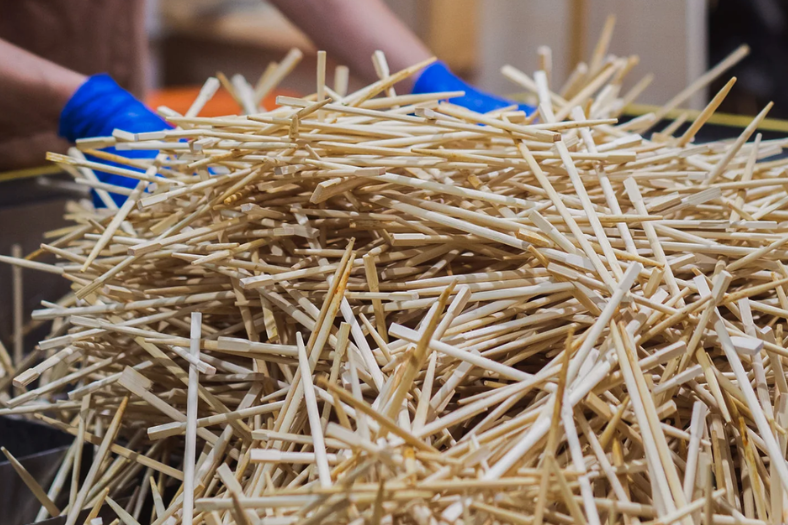
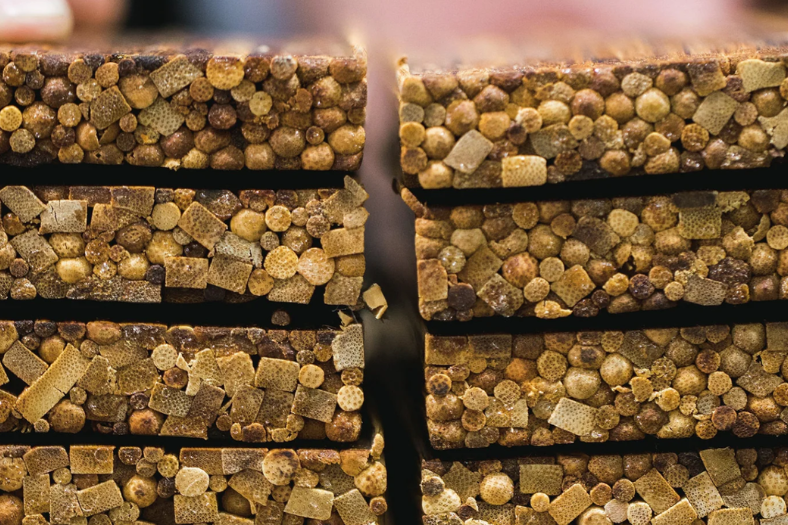
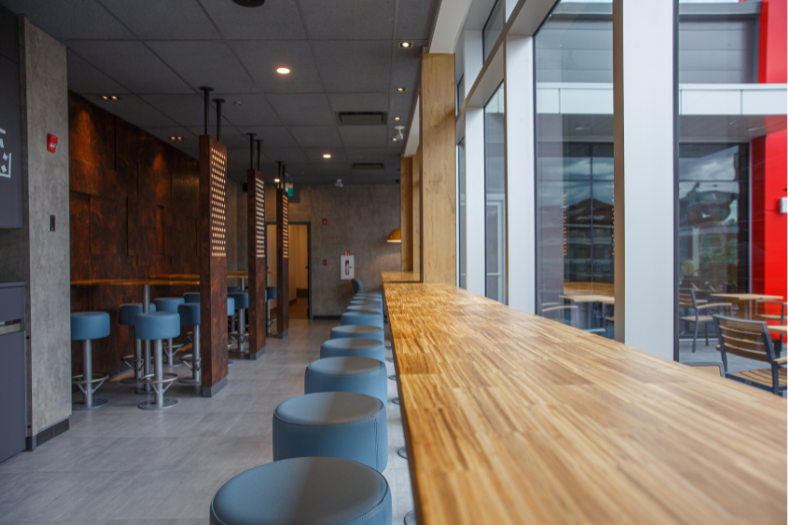
Each year, billions of bamboo chopsticks are used once and thrown away. Rather than seeing them as disposable, ChopValue treats them as a valuable urban resource. Through a carefully developed densification process, collected chopsticks are sorted, sanitised and pressed into durable tiles. These are then crafted into furniture, shelving and interior features for commercial spaces, including global brands such as Marriott International, KFC, Arc'teryx and Amazon.
Rethinking waste as a classroom resource
For teachers of design and technology, this model offers a rich springboard for learning. ChopValue’s local Microfactories collect waste from nearby restaurants and remanufacture it within the same community. This decentralised approach reduces transport emissions, removes reliance on virgin timber and demonstrates circular design in action.
In the classroom, this opens up meaningful project briefs. Students might explore the concept of urban harvesting by identifying waste materials in their own communities and redesigning them into functional products. They can investigate material properties, compare engineered bamboo with traditional hardwoods and evaluate lifecycle impacts as part of a sustainability focused design challenge.
These activities naturally connect material science, ethical sourcing and systems thinking. Rather than viewing materials as fixed and finite, students are encouraged to see them as part of an ongoing cycle of use, recovery and reinvention.
A blueprint for responsible design
ChopValue is a certified B Corp and ranks in the top five per cent globally for environmental impact. To date, it has recycled more than 250 million chopsticks, preventing over 9,700 tonnes of carbon emissions. That volume of reclaimed bamboo could produce around 69,000 dining tables, a compelling statistic to spark discussion around scale and impact.
For D&T teachers, this is more than an inspiring story. It is a practical, contemporary example of how design thinking, material innovation and environmental responsibility can sit at the heart of sustainable manufacturing. By bringing examples like this into lessons, teachers can empower students to design not only with creativity, but with conscience.
Teachers can download the PDF version of this article, featured in Designing 132 below, and get their digital copy of the magazine here.


