
Inside the School of Engineering & Design at London South Bank University
Published 6th March 2026
Teachers recently had the opportunity to take a virtual tour of the School of Engineering & Design at London South Bank University in a webinar hosted by the Design & Technology Association. Led by Barney Townsend, Course Leader for Product Design and Technology, the session offered an inside look at the facilities, teaching approach and student projects that shape the next generation of designers and engineers.
A Design School in the Heart of London
Located in central London, the university sits within walking distance of major cultural and professional institutions such as the Victoria and Albert Museum, Tate Modern and the Design Museum. These locations provide students with opportunities to explore design history, attend industry events and connect with professional bodies. Barney explained that the university’s design courses place a strong emphasis on small cohort sizes and close staff–student relationships. With around 30 to 35 students per year on the design programmes, tutors are able to support students individually while encouraging collaboration across engineering and design disciplines.
Workshops Designed for Making
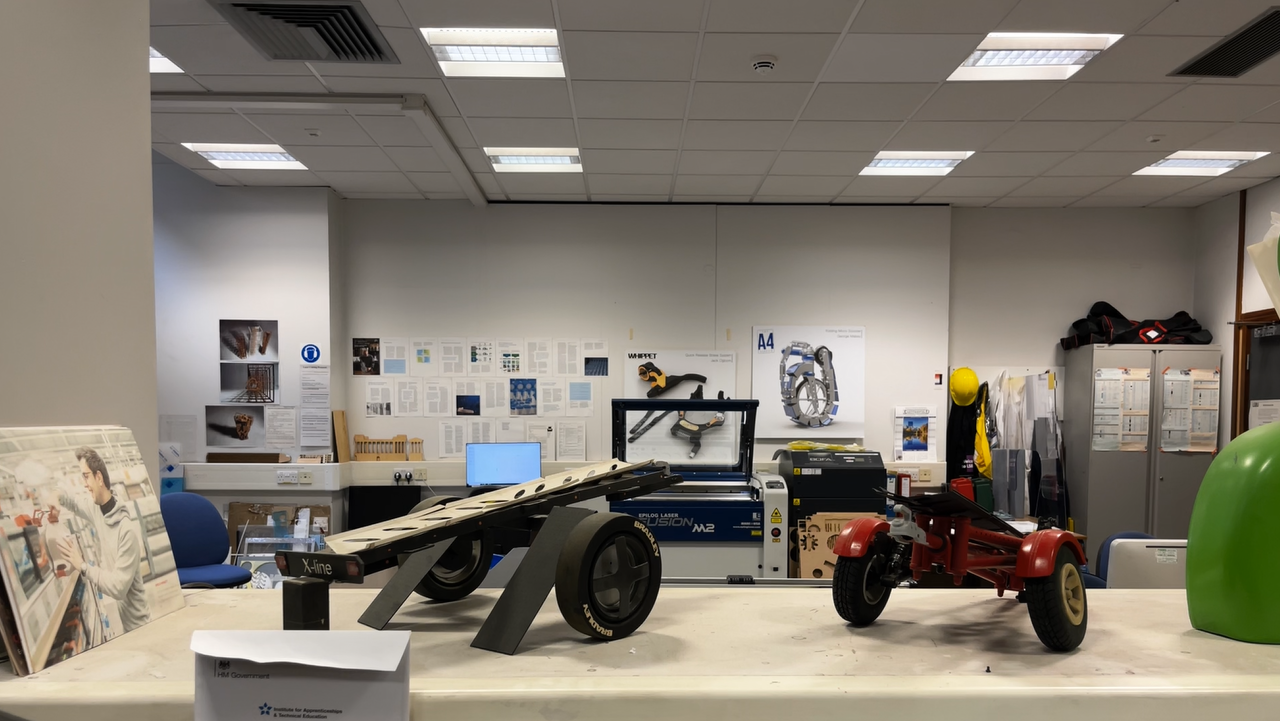
A highlight of the tour was the extensive workshop space where students develop and test their ideas. The facilities include prototyping workshops, CNC machines, laser cutters, 3D printers, welding equipment and composites areas. Students receive safety training early in the course, after which they are encouraged to use the workshops independently.
“The workshop should be a happy place,” Barney explained. “Students should feel comfortable coming in, experimenting with ideas and learning through making.”
Learning Through Projects
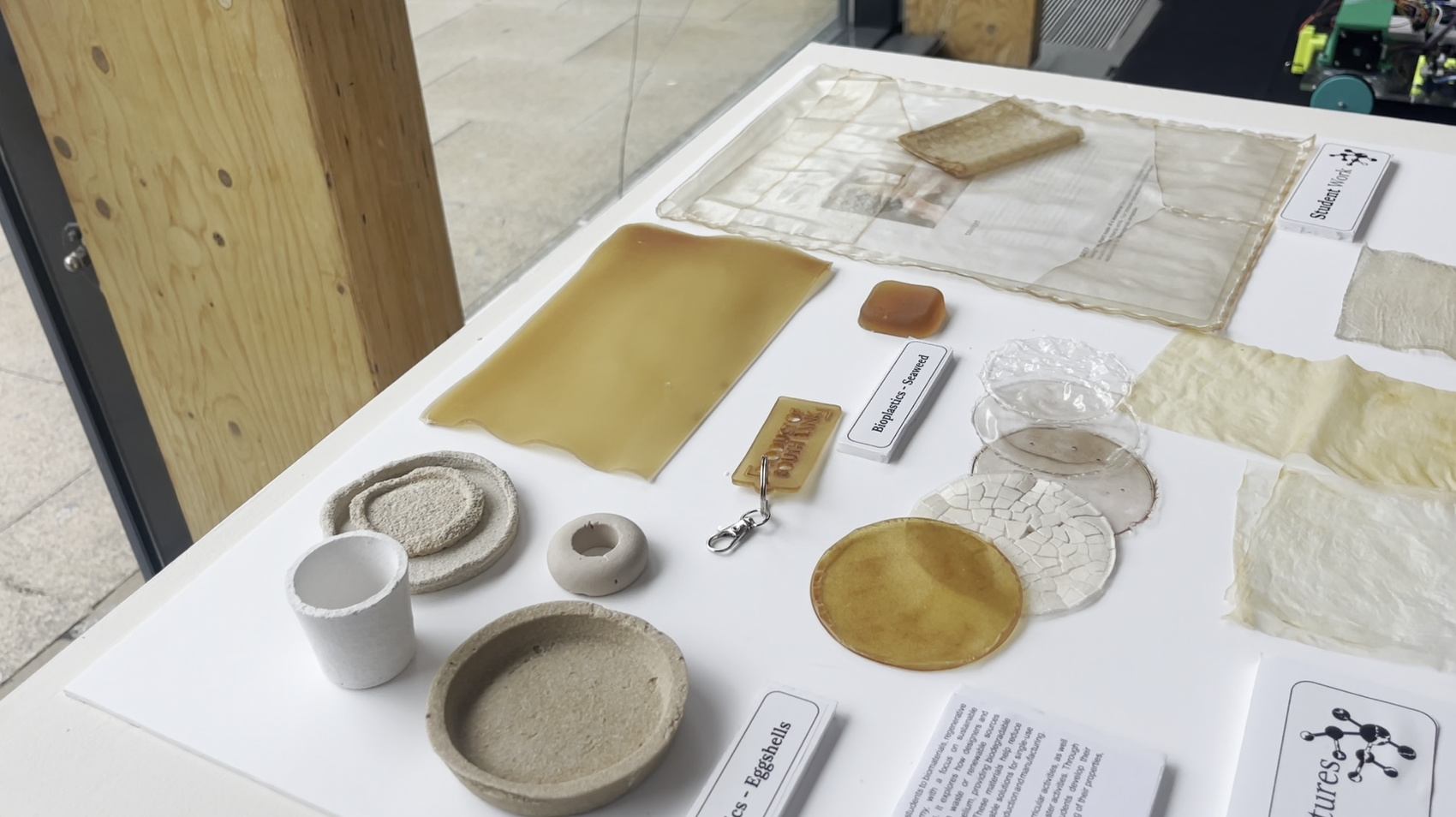
The course is strongly project-based, with coursework forming the core of assessment. Students develop a broad skill set during their studies, including sketching, CAD modelling, prototyping, engineering analysis and visual communication. Software such as Fusion is used for CAD and manufacturing workflows.
Competition and Collaboration
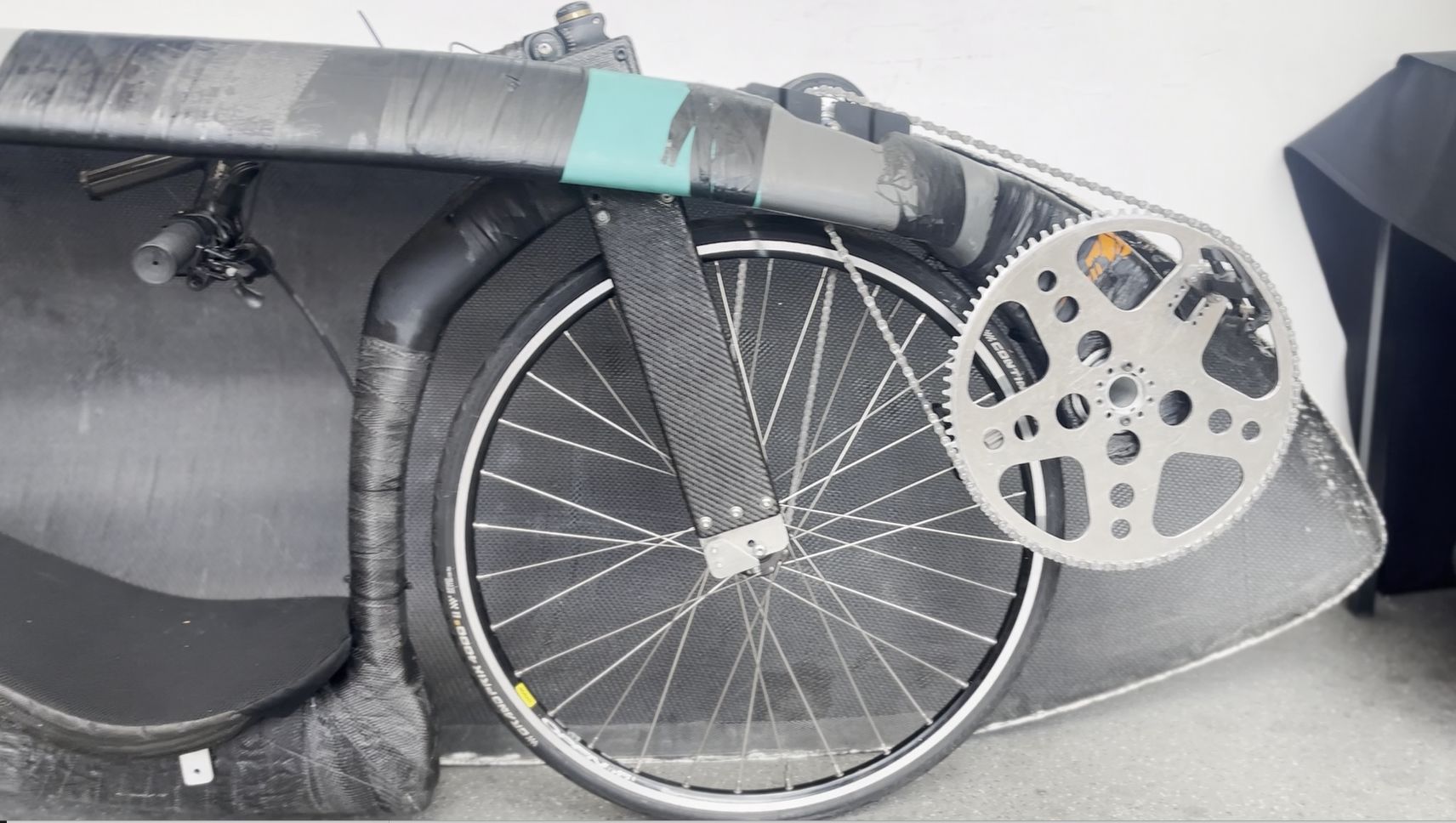
Beyond formal coursework, students participate in a wide range of extracurricular projects and competitions. These include the international Formula Student competition and a human-powered speed record project where students design and build experimental bicycles. These activities allow students to apply engineering and design skills in real-world challenges while developing teamwork and problem-solving abilities.
Career Pathways in Design
The webinar also explored the career routes taken by graduates. Alumni from the have gone on to work at companies including Dyson, McLaren and Aston Martin, as well as establishing their own design consultancies and startups. Barney noted that the versatility of the course allows graduates to move into a wide range of roles, from product design and engineering to sustainability research, UX design and entrepreneurship.
Encouraging the Next Generation
Throughout the session, Barney emphasised the qualities that help students succeed in design education: curiosity, resilience and a genuine passion for solving problems.
“The students who thrive are the ones who enjoy the process,” he said. “They love solving problems and creating something they can hold up and be proud of.”
For Design and Technology teachers and students considering future pathways, the webinar provided an engaging insight into how university design programmes prepare students for careers in creative engineering and innovation.
Find out more about open days at LSBU
Back to News


