Design against the smoke
Published 26th January 2026
How clean cookstoves are changing lives
Today, on International Day of Clean Energy, attention turns to solutions that protect people and the planet. Household air pollution is a silent killer in many parts of Africa, linked to over one million deaths each year. Women and children are disproportionately affected, often spending hours cooking on inefficient stoves that fill homes with toxic smoke. Mukuru Clean Stoves is changing that story through design.
Turning tragedy into innovation
Founded by a designer and entrepreneur whose life was shaped by fire, Mukuru Clean Stoves was inspired by a tragic accident involving her young daughter. Determined to prevent other families from suffering, she set out to create stoves that are safe, affordable, and sustainable, reimagining how communities cook while protecting health and the environment.
The hidden killer in the kitchen
Traditional cooking methods cause around four million deaths worldwide annually, more than HIV, malaria, and tuberculosis combined. Women and children bear the greatest burden, spending hours collecting firewood and inhaling smoke in poorly ventilated homes. Firewood and charcoal use also contribute to deforestation and climate change.
Design as a lifeline
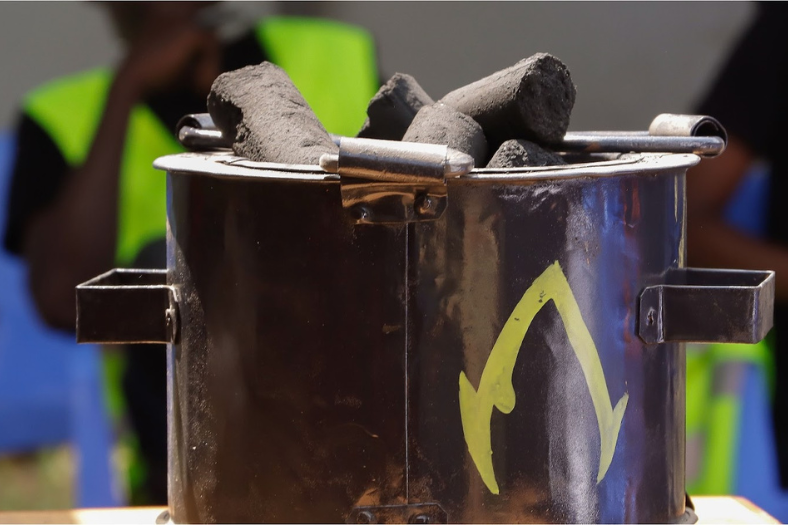
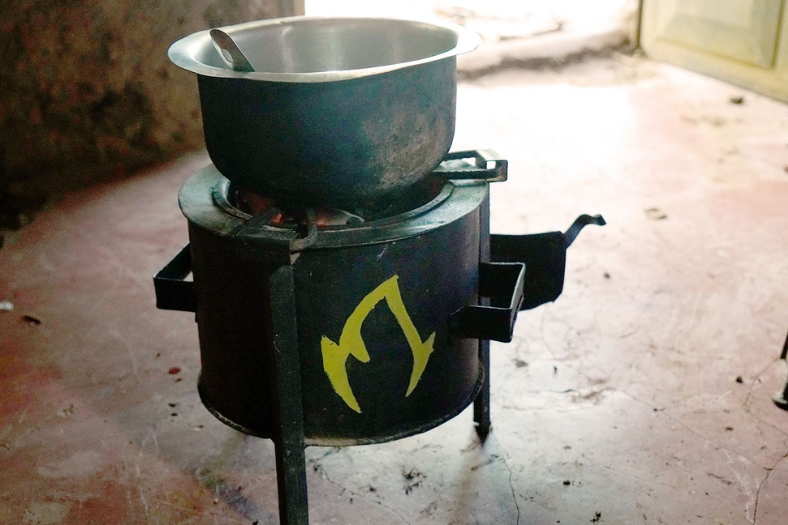
Mukuru Clean Stoves uses recycled metal and agricultural waste to produce stoves that reduce household air pollution by up to 90%. Local women and youth are trained to manufacture and sell the stoves, putting the community at the heart of the solution. Stoves are tested in model villages to ensure they suit local cooking habits and cultural norms. Since 2017, over 700,000 stoves have been distributed across Kenya, Ghana, and Uganda, benefiting more than 3.5 million people and reducing burns among young children by 40%.
Innovation with impact
Recognition, including the Earthshot Prize in 2022, has enabled further innovation, such as the world’s first mosquito-repelling clean stove, tackling malaria alongside household air pollution. For D&T teachers, Mukuru Clean Stoves demonstrates how thoughtful, sustainable design can transform lives and tackle urgent global challenges.
This approach is echoed in the ‘Inspired by Industry’ context from Washing Machine Project, where students explore how design can ease the burden of handwashing clothes in unsafe conditions. ‘Inspired by Industry’ is free to access, with optional member-only Focused Tasks, Investigative and Evaluative Activities, and curriculum units to support classroom delivery, giving students the chance to develop problem-solving and creative thinking skills while imagining the future of wearable and domestic design.
Teachers can download the PDF version of this article, featured in Designing 132, and get their digital copy of the magazine here.