
TetraGrow brings hydroponics into classrooms
Published 24th March 2026
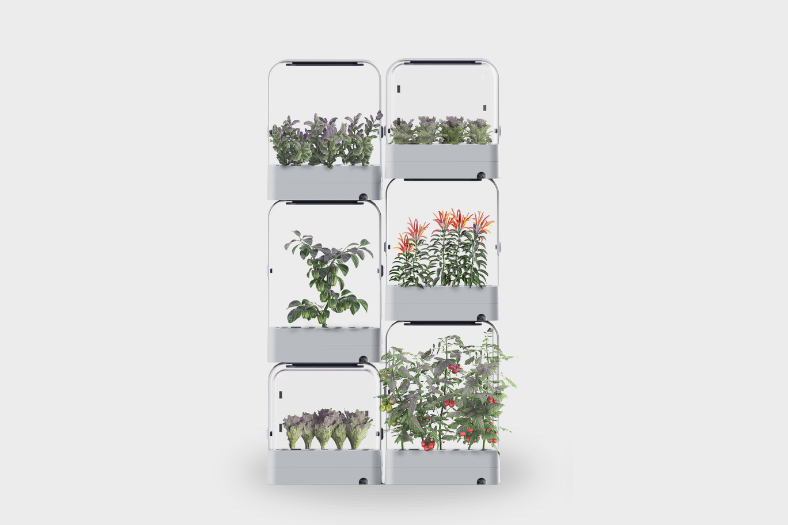
Malaysian innovator Vengg Sathevil has combined creativity, technology, and sustainability to design TetraGrow, a hydroponic system aimed at making fresh vegetable cultivation accessible to everyone, even those without gardens. Inspired by a passion for plant growth, Sathevil’s project is not only a solution for urban dwellers but also offers rich educational opportunities for schools teaching design and technology.
From concept to classroom-ready design
TetraGrow applies hydroponic principles, growing plants without soil and instead nourishing roots through a nutrient-rich solution. Research highlighted that city residents often purchase pre-packaged vegetables due to limited space, cost, and convenience. By understanding these behaviours, alongside ergonomic considerations, Sathevil was able to develop a product that is user-friendly, modular, and suitable for compact living environments.
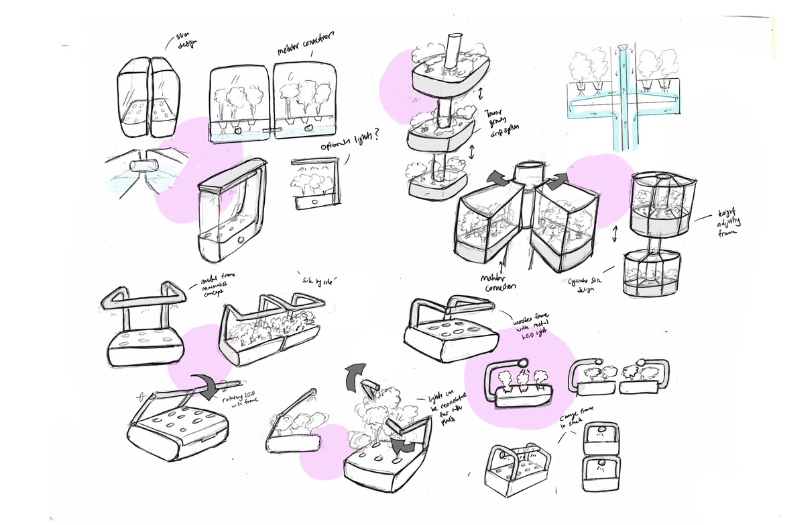
Prototyping involved exploring different pumps, irrigation systems, and modular designs to create a lightweight, stackable device. Through rigorous testing, including failure mode and effect analysis, materials like High Density Polyethylene and aluminium were chosen for their strength, recyclability, and manufacturability. The final design features an integrated Ebb&Flow irrigation system with miniature pumps, ensuring efficient nutrient delivery while simplifying use, a feature that could make the product highly engaging for students experimenting with plant growth cycles.

An educational and sustainable tool
Beyond providing fresh produce, TetraGrow offers teachers a practical way to bring hydroponics and sustainable design into the classroom. Students can explore concepts such as water flow, material selection, and modular product design, connecting real-world innovation with curriculum learning.
The next phase for Sathevil is producing a high-fidelity prototype and overcoming manufacturing costs to make TetraGrow market-ready. For teachers, this innovation signals a chance to inspire students with hands-on learning in sustainability, engineering, and horticulture, demonstrating how technology can transform both daily life and education.
Teachers can access the PDF version of this article, featured in Designing 127 below and download their digital copy of the magazine here.


