
1193 results found for your search "Planning GCSE D&T Through a Textiles Lens"

Celebrating International Women in Engineering Day, International Women in Engineering Day which takes place annually on the 23rd of June, is more than just a date on the calendar; it's a celebration of the achievements, contributions, and the potential of women in the engineering field. As we celebrate this significant day, let's take a moment to explore its rich history, acknowledge the progress made, and envision a future where women in engineering are not just recognised but are integral to the fabric of the industry. The Historical Roots of Women in Engineering The...
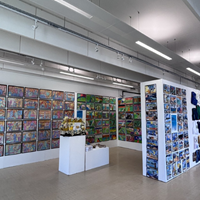
Primary pupils’ art and D&T on display, Five primary schools in Southwest London recently brought pupils’ creativity out of the classroom and into the public eye at the Penny School Gallery, Kingston College. The exhibition celebrated children’s artistic and design achievements, showcasing their imagination in both Art and Design & Technology projects. From classroom to gallery “Seeing children’s faces light up as they viewed their work in a gallery was truly heartwarming,” said Janine Pavlis, Senior Lecturer in Primary Education, Design and Technology at St. Mary’s University. “Observing their physical D&T products and design...

Inspired by Industry Mindful Chef, Inspired by Industry: Mindful Chef This context has been put together to allow for a range of opportunities for students to explore the design of modern recipe boxes that are so popular with households. This has the opportunity to be based around cooking and nutrition or through packaging design. The outcomes are likely to be varied. If taking a cooking and nutrition approach the students are likely to produce final meal ideas that can, in turn be broken down into individual ingredients that may (in theory) be packaged up and sent to...

D&T Primary Clickable Progression Framework KS1 & 2, Design and Technology ‘Clickable’ Progression Framework – KS1 and 2Years 5-11First published 2016The D&T Progression Framework was developed by the Design and Technology Association in collaboration with the National Curriculum Expert Group for D&T and is available as a pdf version for KS1 and 2 and for KS1, 2 and 3. This ‘clickable’ version of the framework for D&T at Key Stages 1 and 2 links to the Association’s popular Projects on a Page scheme of work. It extends the original framework by enabling subject leaders and...
Key events and individuals (designers, engineers and chefs in primary D&T), DT: What will you be? Session Content: A talk that will enable you to inspire young people to shape their own futures and change the world. Drawing on real life examples from disciplines such as engineering, architecture, food technology, textile design and computer coding, we meet some of the best thinkers and designers from the past and present. Learning Outcomes: We will also investigate what personal qualities these innovators share, how they use them to develop their personal power...

D&T at the Labour Party Conference , Our Chief Executive, Tony Ryan, is representing Design and Technology at this year’s Labour Party Conference in Liverpool. Tony has headed north to host the dedicated event at the conference. Reflecting on the journey up, he shared his optimism about the growing recognition of the subject: “We are making sound progress. People do want to get behind our subject, and it is not just a catchy tag line. Design & Technology matters… it really is that simple.” This is an important opportunity to raise...

Let's Look at Products, Let’s Look at Products EYFSAges 3-5 years This resource focuses on children investigating and evaluating products. It includes three PowerPoint presentations with examples of cups, slippers and cutlery, but practitioners should use these as starting points and adapt the resource to include products that would engage their children. There are many ways in which the activities could be implemented: they could be used to develop communication and language skills and PSE development; perhaps linked to a topic such as Ourselves, Myself or Things we Use; or they could be linked to...
World Book Day primary D&T competition 2026 – terms and conditions, Please read these terms and conditions carefully before entering. Promoter The promoter of this competition is the Design & Technology Association. Eligibility The competition is open to UK primary teachers only. Entrants must be aged 18 or over. Employees of the Design & Technology Association and their immediate families are not eligible to enter. Competition period The...

STEM Careers resources Light Up the World, Age 11-14 years This unit is based around the issue of providing light for people in developing countries who do not have access to mains electricity as an example of a possible career path that D&T might lead to. Light up the World, a humanitarian organisation based at the University of Calgary, is used throughout the project as an example of this type of work in action in the real world. Pupils are given a design brief and are required to investigate the context and key people, to...

2024 The Year in Review, Stepping into 2025, let’s reflect on the incredible progress made in championing design and technology education nationwide. With your support, we’ve inspired creativity and innovation in classrooms, giving more young people access to this vital subject. Celebrating Achievements 2024 has been a year of impact, from hands-on learning experiences to collaborations with industry leaders. Schools have embraced new initiatives, equipping students with essential skills for the future. Together, we’ve driven meaningful change in education. Relive the Highlights Take a look back at the moments that defined 2024...
Choose an option to filter your search results.
All results (1193) Shop products (296) Events (74) News (293)