


Design Icon - Jaguar E-Type
A design classic to inspire your classroom
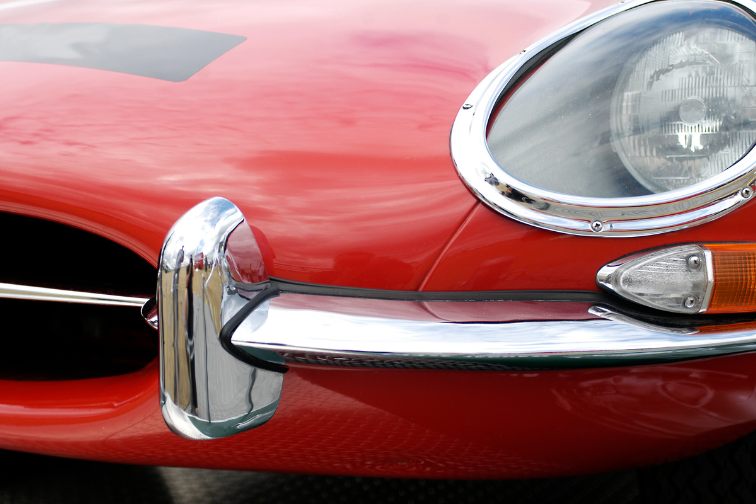
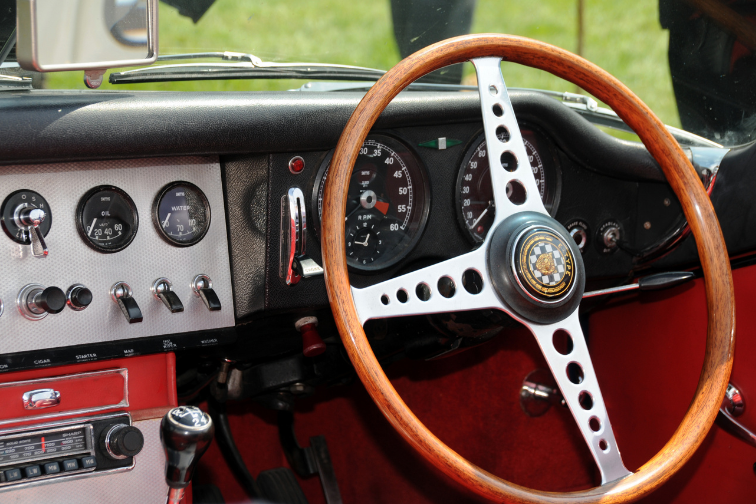
When Jaguar unveiled the Jaguar E-Type in 1961, it marked a turning point in automotive design and engineering. Building on the success of the Jaguar D-Type at the 24 Hours of Le Mans, the company set out to create a high-performance road car that would capture both speed and style.
The result was a vehicle that quickly gained international recognition. Capable of reaching speeds of up to 150mph, the E-Type combined cutting-edge engineering with striking aesthetics. Its innovative use of a subframe, rather than a full chassis, reduced weight and improved performance, offering a valuable case study for students exploring materials, structures and mechanical efficiency in design and technology.

Why it matters for your teaching
For teachers, the E-Type offers a rich, real-world context to bring key curriculum concepts to life. From analysing how design decisions impact function, to exploring how technological advances influence consumer products, this iconic car provides a tangible example that can spark curiosity and discussion in the classroom.
Students can investigate how iterative design played a role in the E-Type’s evolution. Produced as both coupé and convertible models between 1961 and 1974, and later adapted to meet American regulations, the vehicle demonstrates how external factors such as legislation and market demand shape design outcomes.
A lasting design legacy
Despite changes to engines and features over time, the E-Type’s overall form remained largely consistent. This consistency highlights the importance of strong initial design thinking, something teachers can encourage in their own classroom practice.
By introducing learners to enduring designs like the Jaguar E-Type, teachers can support deeper understanding of how innovation, creativity and engineering come together to create products that stand the test of time.
Teachers can access the PDF version of this article, featured in Designing 128 below and download their digital copy of the magazine here.