From ocean waste to filament
Published 3rd June 2026
How recycled materials are reshaping design and technology
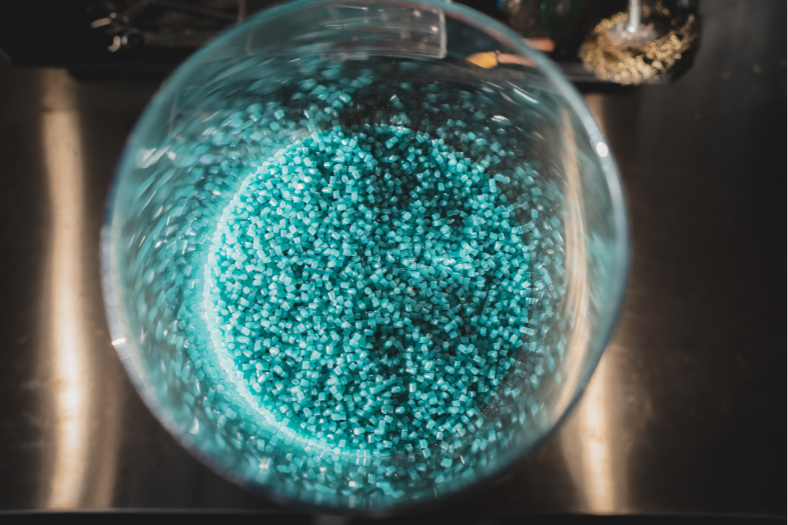
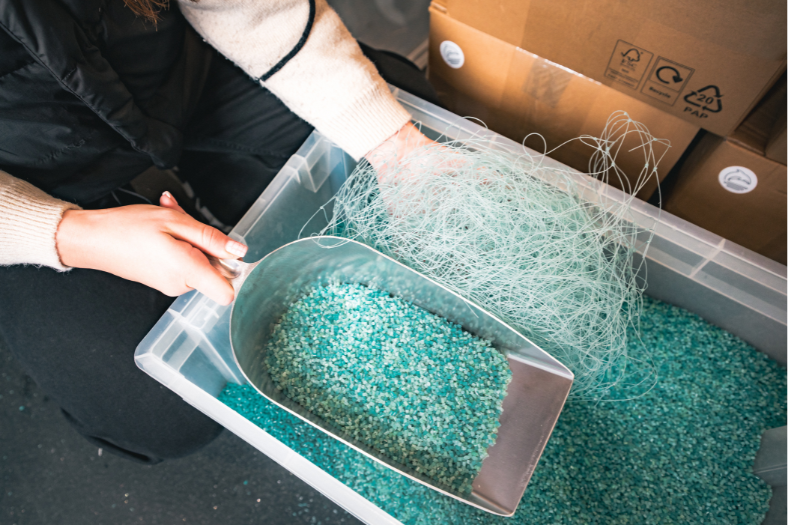
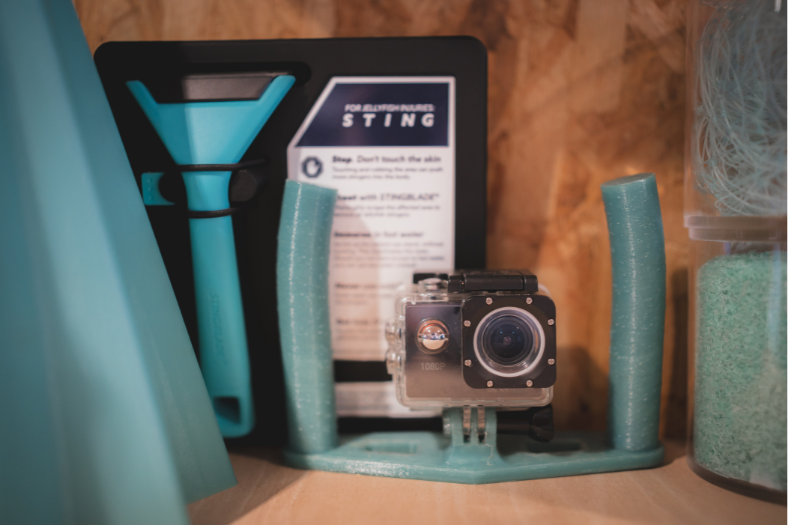
Discarded fishing nets may seem an unlikely source of innovation, but they are helping to redefine how designers, engineers and manufacturers think about sustainability. In a forthcoming feature for Designing 135, Ian Falconer, Founder of Fishy Filaments and 0rCA, shares how end-of-life fishing gear is being transformed into high-performance 3D printing filament, creating new opportunities for sustainable design and manufacturing.
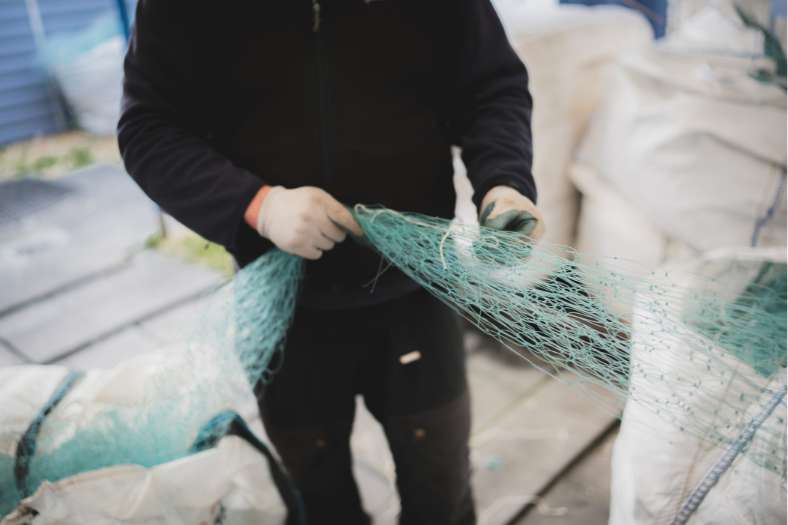
Drawing on a career spanning mining, engineering and manufacturing, Falconer argues that while digital technologies continue to dominate conversations about innovation, materials remain at the heart of every product, system and technology. His work focuses on recovering nylon fishing nets that would otherwise be burned, buried or lost at sea, where they can continue to damage marine ecosystems through a process known as ghost netting.
Real-world sustainability for the classroom
For design and technology teachers, the story offers a powerful example of how circular thinking can be applied in practice. In 2019, Fishy Filaments launched the world's first commercial 3D printing filament made entirely from used fishing gear, demonstrating that sustainable materials can deliver high levels of performance without compromise.
The case study provides valuable links to curriculum areas including materials science, product design, manufacturing, sustainability and engineering. It also encourages students to think beyond recycling and consider how products are designed within wider systems of resource use, production and end-of-life management.
Falconer believes future designers will play a critical role in shaping relationships between materials, waste streams and environmental impact. As industries increasingly seek innovative solutions to global sustainability challenges, understanding materials and circular economies will become an essential skill for young people.
Teachers looking for inspiring real-world examples of sustainable innovation will find plenty to explore in the full feature article, available in Designing 135. Keep your eyes peeled for the future publication to discover how design and technology continues to help shape a more sustainable future.