
Rethinking wool - A fresh perspective on natural materials
Published 13th July 2026
Solidwool is demonstrating how a familiar material can be transformed into an innovative solution for modern product design. By combining British wool with a 50% plant-based bio-resin, the company has developed a durable composite material that offers a sustainable alternative for use in furniture, interiors and product design.
Originally created by designers Justin and Hannah Floyd, the material was inspired by the strength and resilience of Herdwick wool from the Lake District. Once widely used in carpet manufacturing, this coarse wool saw demand decline, leaving many farmers with a product of little commercial value. Instead of viewing it as waste, the designers reimagined its potential, creating a material that is both practical and visually distinctive.
Unlike traditional composites such as fibreglass, Solidwool replaces synthetic fibres with natural wool. The result is a strong sheet material that can be cut, shaped and formed, while retaining the unique textures and patterns of the fibres. Every panel is different, giving each finished product its own character.
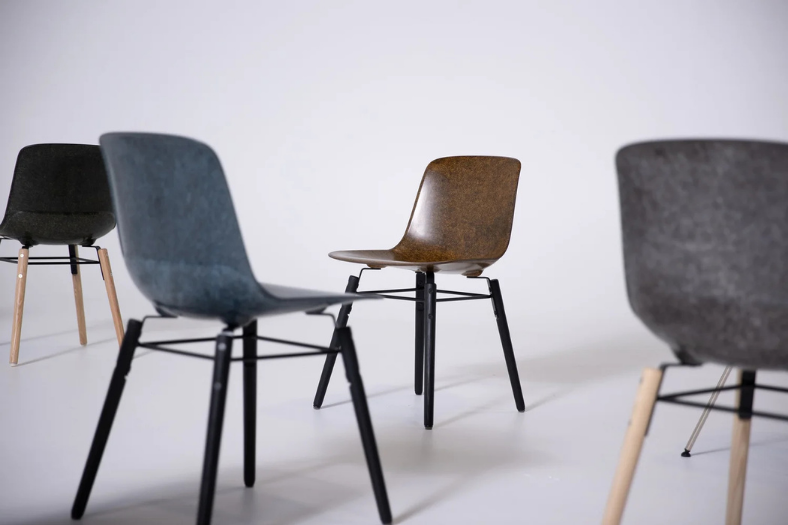
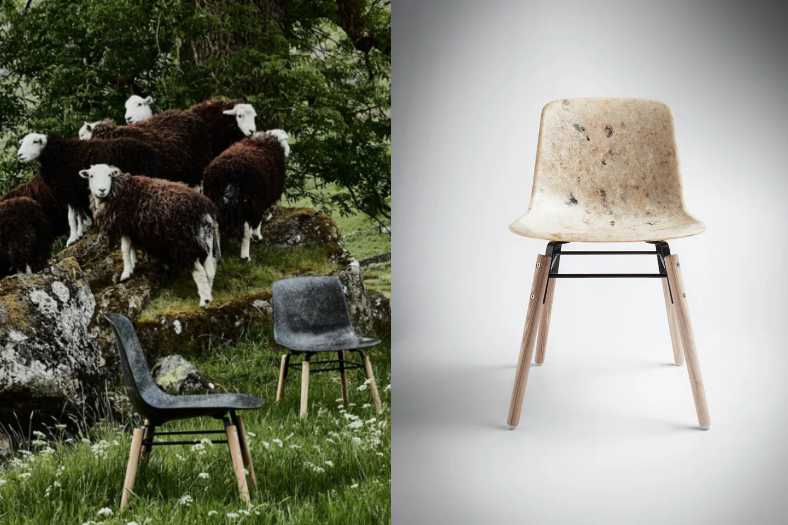
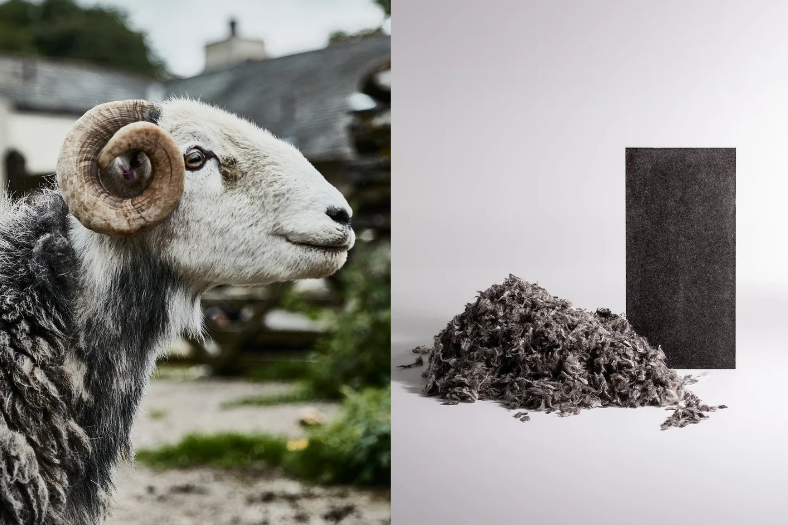
For design and technology teachers, Solidwool provides a valuable real-world example of sustainable innovation, material development and responsible manufacturing. It encourages students to consider how existing resources can be reimagined, while exploring the relationship between agriculture, engineering and design.
The material also supports British farming by creating new uses for wool from traditional breeds such as Herdwick and Welsh Mountain sheep, reducing reliance on imported materials and helping to lower environmental impact.
Teachers can extend this learning through the Inspired by Industry context with Community Clothing, where students design plastic-free trainers while investigating sustainable materials, ethical production and responsible manufacturing. Solidwool offers an engaging case study that helps bring contemporary design challenges into the classroom, encouraging students to think creatively about the future of sustainable design.
Teachers can access the PDF version of this article, featured in Designing 133 below and download their digital copy of the magazine here.


