
Bringing plaster to life in D&T classrooms
Published 22nd June 2026
Exploring a material hiding in plain sight
Plaster shapes the spaces students experience every day, yet it is often overlooked as a design and technology learning resource. In a new feature from The Worshipful Company of Plaisterers, teachers are encouraged to explore how this everyday material can unlock creativity, technical understanding and meaningful connections to the built environment.
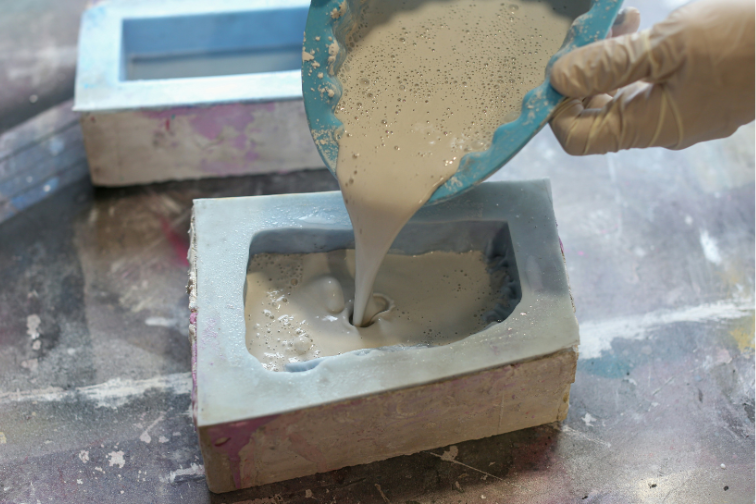
Used across homes, schools, museums and historic buildings, plaster offers a practical way to bring together design, manufacturing and materials science. Its tactile qualities make it ideal for classroom investigation, allowing students to cast, carve, mould and refine ideas while developing an understanding of material performance.
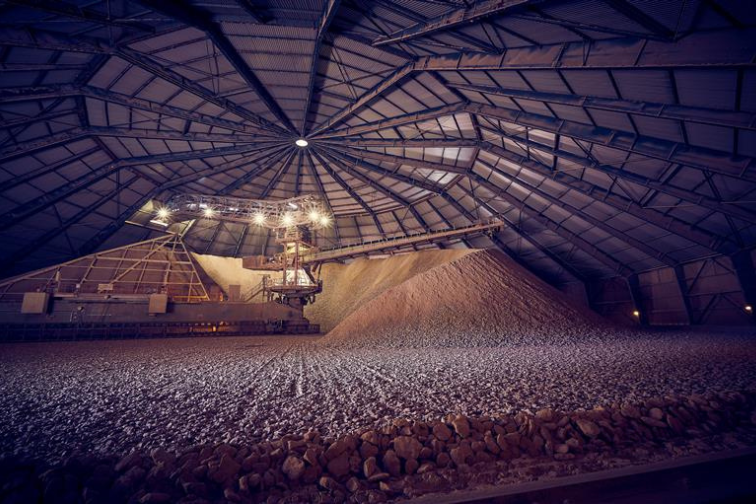
The feature traces plaster’s journey from gypsum, a naturally occurring mineral extracted from quarries and mines, through processing and manufacture into the products used throughout modern construction. This transformation provides a clear example of how raw materials become functional, designed solutions.
Connecting classroom practice to careers and industry
For design and technology teachers, plaster creates opportunities for students to explore properties such as strength, setting time, durability and finish through iterative design and testing activities. It also supports wider curriculum links with architecture, engineering and sustainability.
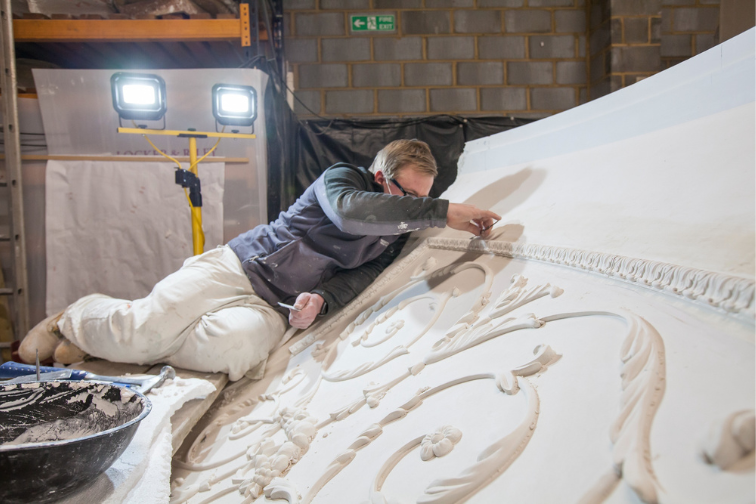
The Worshipful Company of Plaisterers highlights how traditional and modern plastering techniques continue to shape contemporary construction and conservation projects. Exploring historic methods alongside modern technologies helps students understand how design decisions respond to changing needs and contexts.
The feature also showcases the breadth of careers connected to plaster, from apprenticeships and T Levels to specialist roles in conservation, technical design and construction, helping teachers demonstrate how classroom learning can translate into future pathways.
Teachers can access the PDF version of this article, featured in Designing 133 below and download their digital copy of the magazine here.


