
Creative electronics with SPOKE
Published 27th July 2026
A classroom developed tool that brings ideas to life
A new classroom developed electronics tool is helping design and technology teachers remove technical barriers and give pupils greater freedom to create ambitious, interactive products.
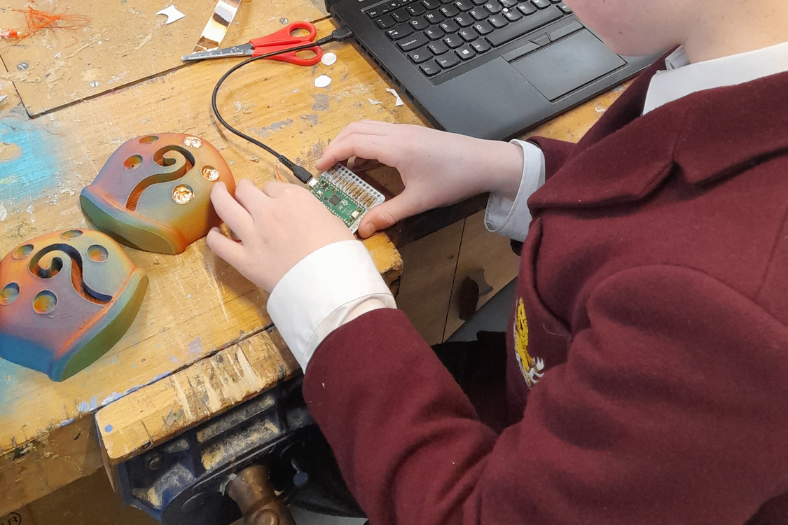
Created by Tom Fox, Head of Design Technology at Beechwood Park School in Hertfordshire, SPOKE is a capacitive touch controller designed specifically for education. Developed through classroom practice rather than commercial design, it enables pupils to combine electronics, coding and product design in meaningful, student led projects.
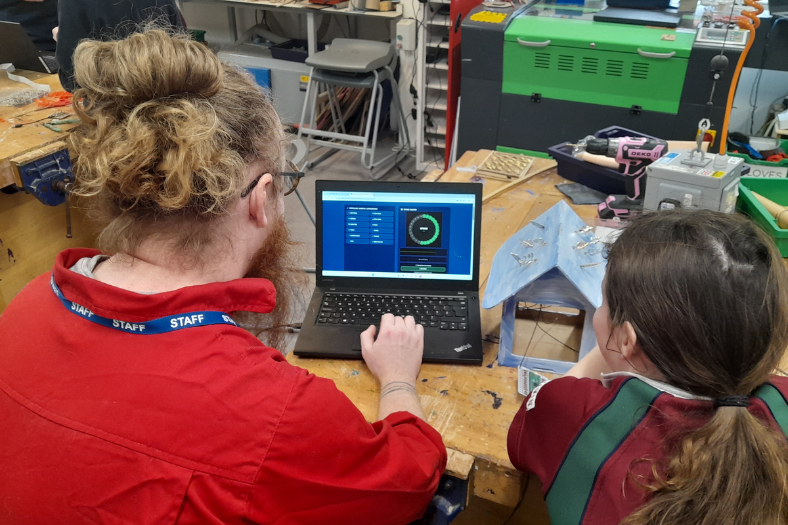
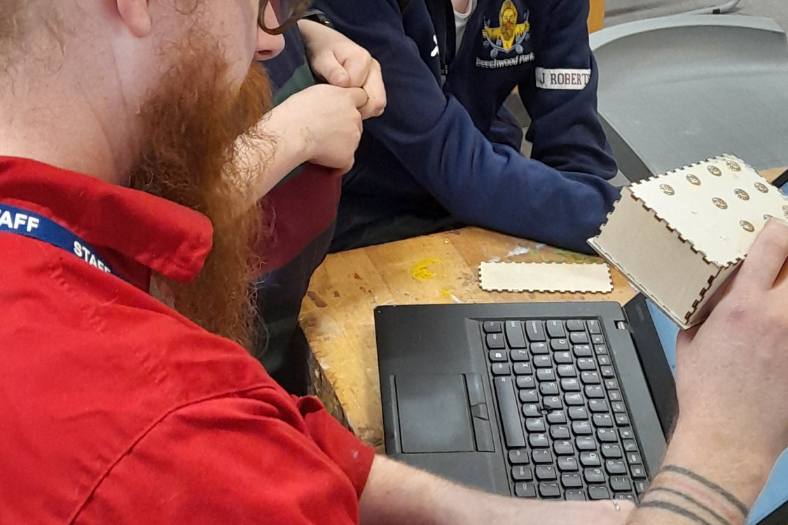
Rather than following a prescribed outcome, pupils are encouraged to explore their own ideas. Current projects include a birdhouse that plays birdsong when touched, a custom MIDI oboe, a stenography machine and a bespoke gaming controller, all designed, programmed and prototyped by pupils.
Removing barriers to creative design
SPOKE was created to bridge the gap between an initial idea and a working prototype. Using CircuitPython, pupils can edit code in a simple text file without specialist software, while a wide range of everyday conductive materials, including copper tape, conductive thread and even fruit, can be used as touch sensors. The board also works as a USB MIDI device and is compatible with WebMIDI, making it accessible on devices such as Chromebooks without the need for expensive software.
The classroom impact has already extended beyond Beechwood Park. SPOKE has been used in workshops with young people, early years settings, accessibility projects and higher education, demonstrating its flexibility across a wide range of learning contexts.
For design and technology teachers looking to create engaging, cross curricular projects that connect design, electronics, computing, music and science, SPOKE offers a practical way to encourage creativity, experimentation and problem solving. Tom Fox is keen to work with more schools to develop resources and classroom support as the project continues to grow.
Teachers can access the PDF version of this article, featured in Designing 133 below.
Back to News

