
Designing Headphones Children Can Build
Published 1st June 2026
Hands-on learning in design and technology
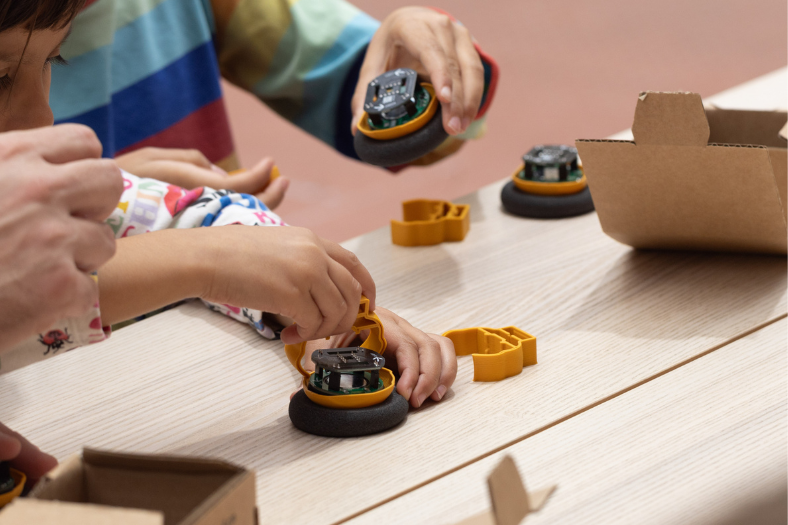
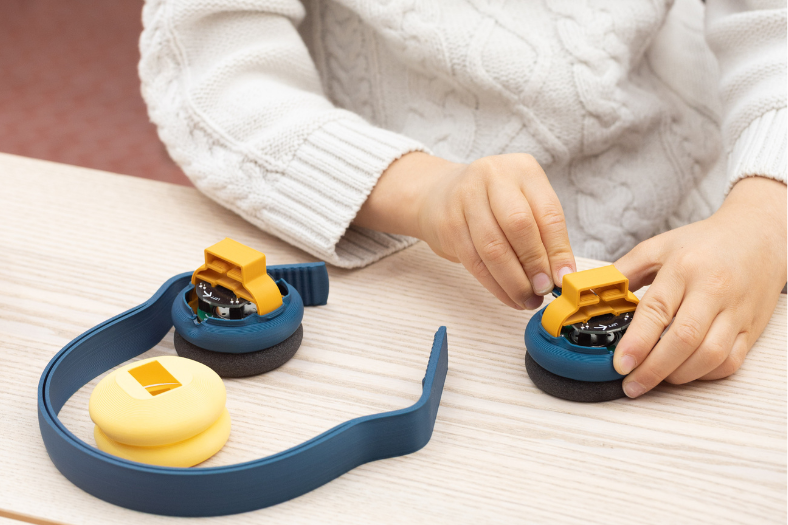
Kibu reimagines children’s headphones as a buildable, repairable kit rather than a disposable consumer product. Instead of arriving ready-made, the headphones are assembled by children, helping them understand how everyday technology works. Designed for classrooms and home learning, the approach supports teachers in delivering practical, engaging design and technology experiences while introducing sustainability and repairability as core principles.
Kibu addresses throwaway culture in electronics. Many devices are sealed and difficult to repair, leading to waste. The kit uses snap-fit modular components and 3D printed parts made from recycled post-consumer materials. Children can replace individual components if damaged, reinforcing the idea that products can be maintained rather than discarded.

Sustainable manufacturing and repair
The use of additive manufacturing demonstrates how 3D printing can move beyond prototypes into real-world production. Parts are made from recycled bioplastics, while flexible TPU elements provide comfort and durability. This balance of materials ensures robustness while supporting circular design principles and reduced environmental impact.
In the classroom, the build process encourages problem-solving, fine motor skills and curiosity about internal mechanisms. As pupils assemble the headphones, they gain insight into structure, electronics housing and product design decisions, strengthening links to STEM learning and design thinking.
Kibu has gained industry recognition, featuring on BBC Dragons’ Den earlier this year and receiving multiple awards. Founder Sam Beaney will speak at the Big D&T Meet on 10th July, offering teachers further insight into the project and its classroom applications. For teachers of design and technology, it provides a clear example of circular design principles in action. Tickets are available at here.
Teachers can access the PDF version of this article, featured in Designing 133 below and download their digital copy of the magazine here.


