
Making music more accessible
Published 19th June 2026
How digital devices are changing music creation
Digital music devices have transformed from simple electronic instruments into powerful, interactive tools that are changing how people create and experience sound. What began with early electronic inventions and accelerated through the introduction of MIDI in the 1980s has evolved into a new generation of technology designed to make music-making more accessible to a wider range of users.
Today’s digital music devices go beyond traditional keyboards and controllers, using touch, gesture and alternative forms of interaction to create more inclusive experiences. This shift is helping remove barriers and opening creative opportunities for people of different ages, abilities and levels of musical experience.
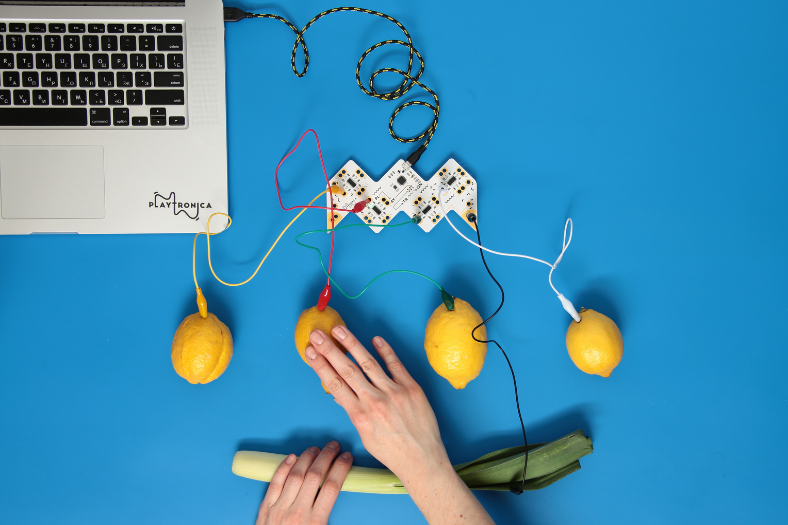
Companies including Playtronica and Salsus Design are helping lead this change. Playtronica’s technology allows everyday objects to become musical instruments through conductivity and touch, turning items such as plants or physical interactions into ways of creating sound. By encouraging exploration and experimentation, this approach broadens who can participate in music creation.
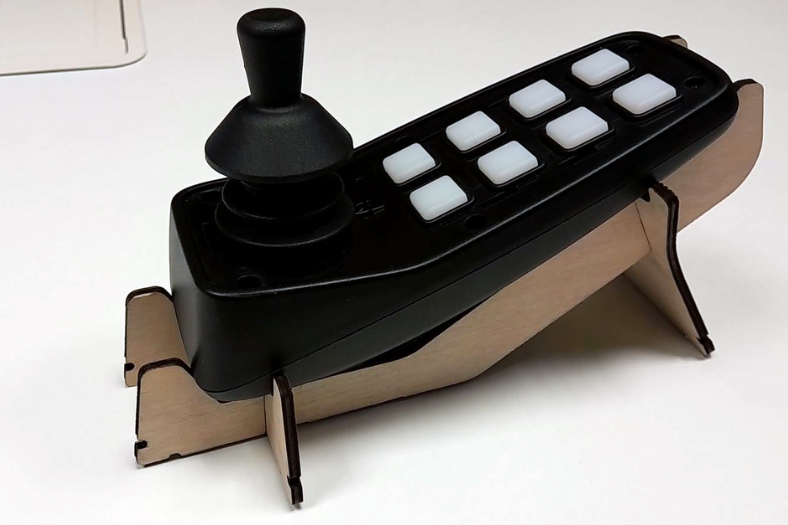
Another example is the development of the Cmpsr Music Controller, created through collaboration between Digit Audio and Salsus Design. Designed with accessibility and ergonomics in mind, the award-winning controller enables users with varying levels of dexterity to interact more intuitively with digital music technology.
Bringing inclusive design into the classroom
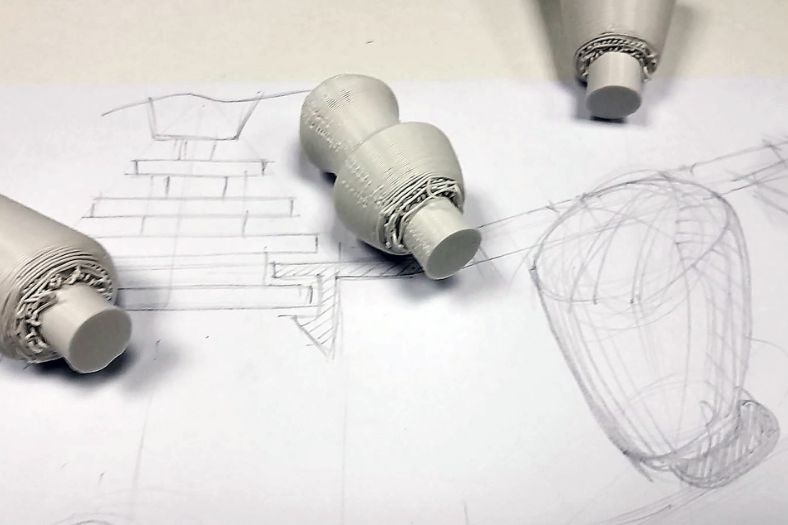
For design and technology teachers, these developments offer a powerful example of user-centred and inclusive design in action. Building on this work, our Inspired by Industry context with Salsus Design provides a free Key Stage 3 context that enables pupils to explore CAD, CAM, rapid prototyping, modelling, electronics and manufacturing processes while designing accessible digital music devices.
Using real industrial approaches, pupils follow the design process from empathise through to implementation, developing ideas that show how thoughtful design can make creativity more accessible for everyone.
Teachers can access the PDF version of this article, featured in Designing 129 below and download their digital copy of the magazine here.


