
Students shine in Zürich STEAM final
Published 17th April 2026
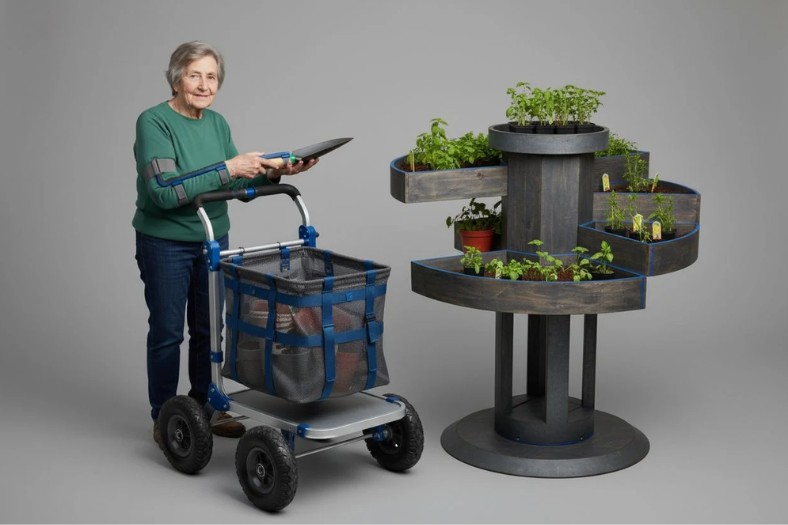
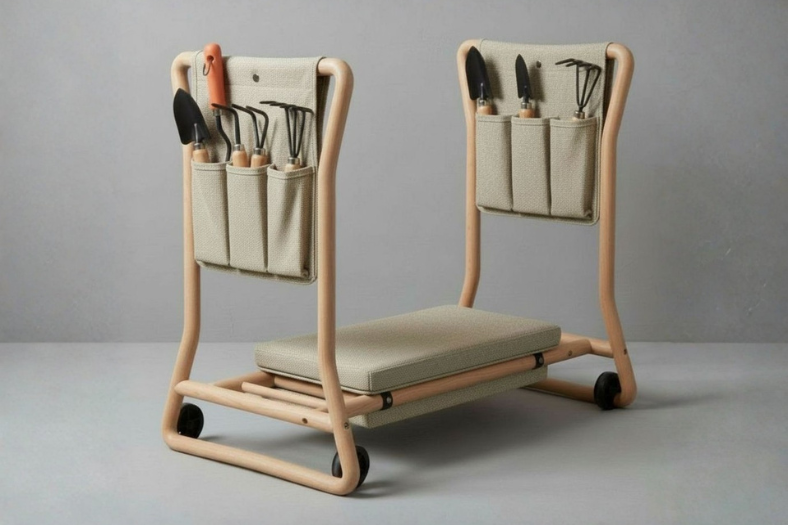
Four Year 10 students from Tandem IMS have earned a place in the live finale of the Zürich STEAM Challenge, taking their inclusive garden concept from the design studio to a professional stage. Two of the students pitched their idea, standing out as the only female finalists among university teams and companies.
From classroom brief to real-world impact
The project was developed under the guidance of their teacher, Paul Woodward, as part of 'Inspired by Industry', where students were challenged to design a product that makes gardening more accessible. Focusing on the needs of older adults and people with limited mobility, the team quickly developed a prototype addressing a genuine social issue.
For design and technology teachers, this highlights the power of setting authentic, user-centred briefs. When students engage with real problems, outcomes move beyond assessment and into meaningful innovation, building empathy alongside technical capability.
A high-pressure opportunity with lasting value
With just two weeks to submit their ideas before Christmas, the students worked under pressure to refine and present their concept. All four entries were recognised, with one team progressing to the final, an achievement that reflects strong design thinking, collaboration, and communication skills.
The STEAM Challenge itself rewards projects that demonstrate social impact, originality, and feasibility, offering professional pitch coaching and public exposure. Experiences like this show how classroom practice can translate directly into industry-relevant skills, from prototyping to presenting under scrutiny.
Why this matters for your classroom
Opportunities like the STEAM Challenge demonstrate what design and technology can offer, confidence, representation, and real-world relevance. Seeing students step into spaces where they are underrepresented reinforces the importance of inclusive practice within the subject.
For teachers, it’s a reminder that embedding design thinking, not as a one-off activity but as a sustained approach, can open doors well beyond the classroom.
Back to News

