
A new approach to bio design and making
Published 29th June 2026
A pioneering bio design project developed at the Royal College of Art is challenging how materials are created and offering design and technology teachers a powerful example of future-focused thinking for the classroom.
Created by Markos Georgiou, Hydra explores a simple but ambitious question: what if materials could be grown rather than manufactured?
Hydra is a modular, programmable bioreactor that cultivates biological materials directly into three-dimensional forms. Rather than relying on traditional manufacturing methods such as moulding or machining, the system uses bacteria fed with agro-industrial waste to grow materials as part of the design process itself.
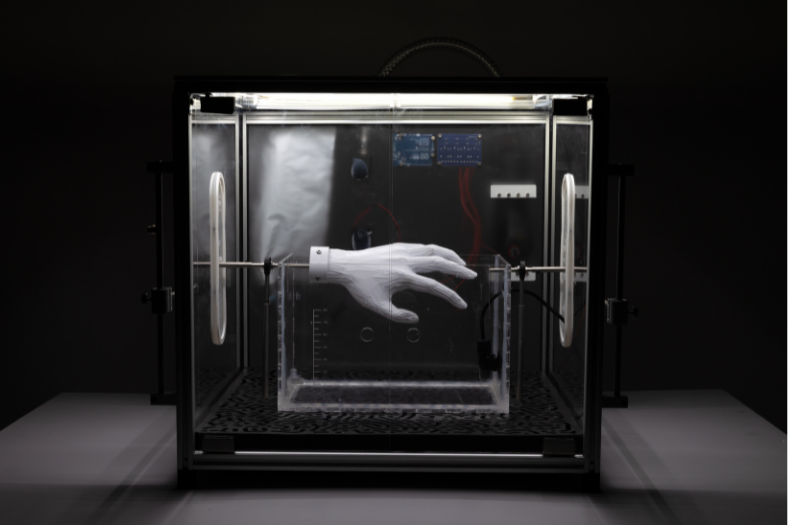
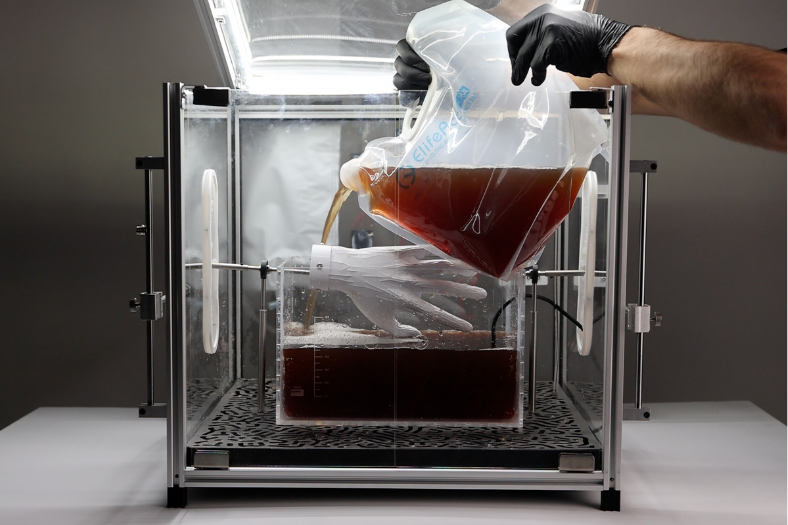
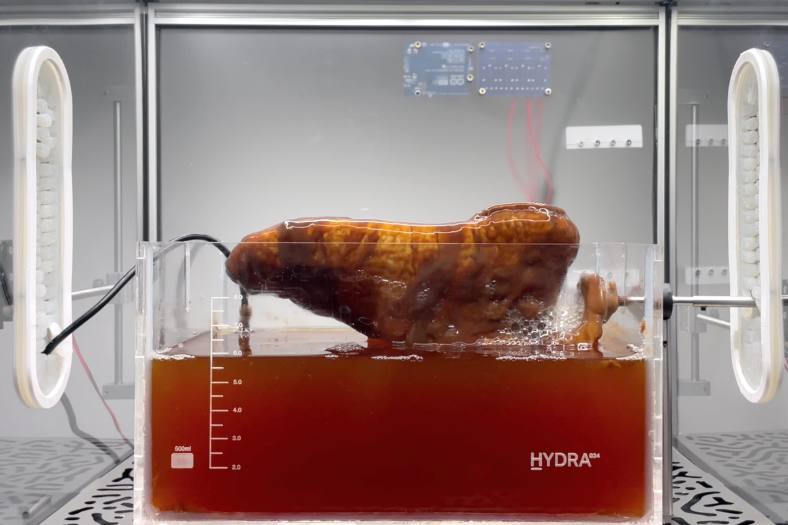
© Images from Thomas Scrimgeour
Bringing sustainable design thinking into the classroom
As interest in biomaterials such as mycelium, algae-based bioplastics and bio composites continues to grow, many existing systems still depend on flat-sheet production methods that require additional processing and can generate waste.
Hydra takes a different approach. By controlling factors including temperature, humidity, oxygen and fluid movement, the system enables materials to develop in three dimensions as they grow. According to the project, this dynamic cultivation process can accelerate growth by up to five to seven times compared with static methods while using minimal energy and producing no toxic byproducts.
For design and technology teachers, Hydra provides a compelling real-world example of innovation across design, science and sustainability. It encourages students to think beyond conventional materials and explore concepts such as circular design, regenerative manufacturing and systems thinking.
Developed during Georgiou’s MA Design Products course at the Royal College of Art, the project highlights how emerging technologies can inspire creativity, experimentation and environmental awareness, helping students imagine new possibilities for how products and materials may be designed in the future.
Teachers can access the PDF version of this article, featured in Designing 133 below and download their digital copy of the magazine here.


