
Design Icon: The little black dress
Published 20th April 2026
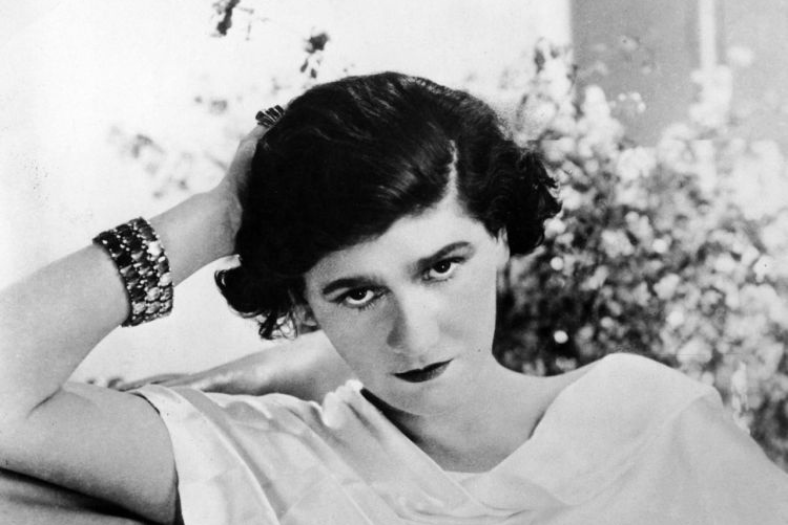
Few garments demonstrate the power of design thinking quite like the little black dress. First introduced in 1926 by Coco Chanel, this deceptively simple piece challenged conventions and reshaped how clothing could communicate meaning. At a time shaped by post-war mourning and social change, Chanel transformed black from a colour associated with grief into a versatile canvas for personal expression.
For teachers of design and technology, this moment offers a rich case study in how context, culture and user needs intersect. The dress was not just an aesthetic choice, it was a response to shifting lifestyles, offering affordability, adaptability and elegance in one form. Its simplicity allowed wearers to customise through accessories, demonstrating early principles of modular design and user-centred thinking.
From symbolism to timeless design
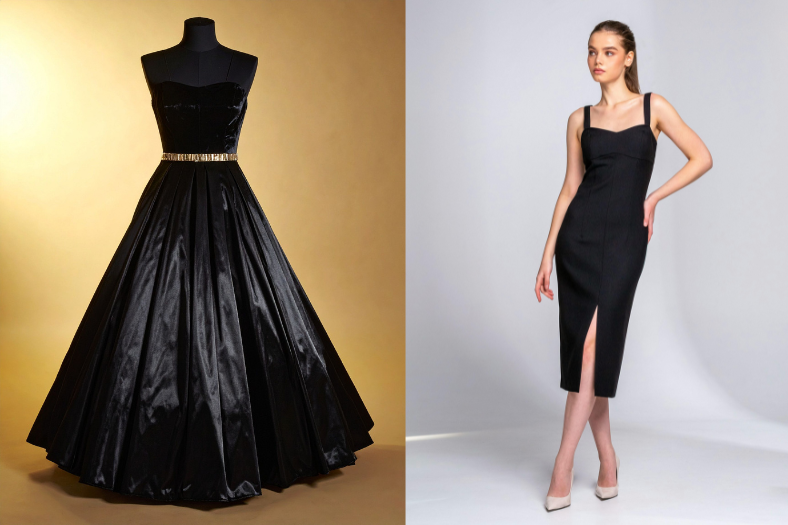
Following the austerity of the post-war years, the little black dress evolved again. Popularised through Hollywood’s portrayal of powerful, complex women, it became synonymous with confidence and sophistication. By the early 1960s, its iconic status was cemented in Breakfast at Tiffany’s, worn by Audrey Hepburn in a design that remains instantly recognisable.
Bringing it into the classroom
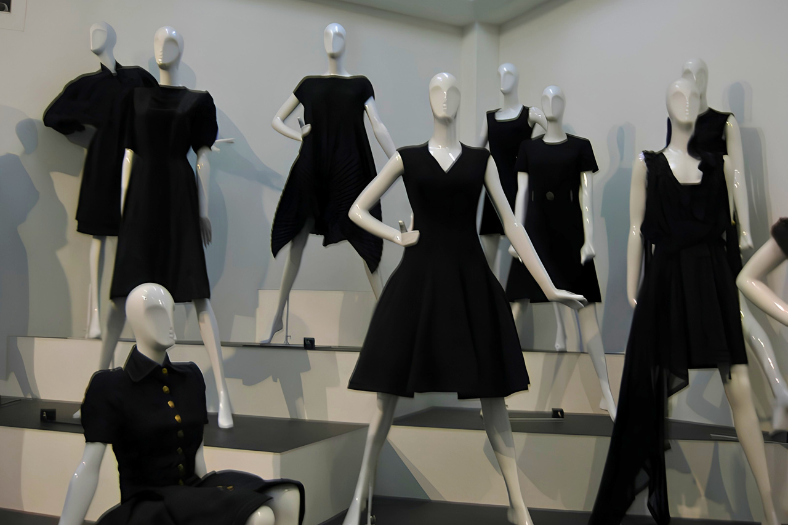
Exploring the little black dress can help teachers bring design history to life. It encourages learners to analyse how a single product can adapt across decades while maintaining its core identity. Discussions might focus on material choices, cultural influences, or how designers respond to societal needs.
By examining this enduring design icon, teachers can support pupils in understanding that great design is not always complex. Sometimes, it is the simplest ideas, thoughtfully executed, that have the most lasting impact.
Back to News

