
Designing for emotional wellbeing
Published 1st July 2026
University of Leeds graduate’s innovative product offers valuable inspiration for design and technology teachers
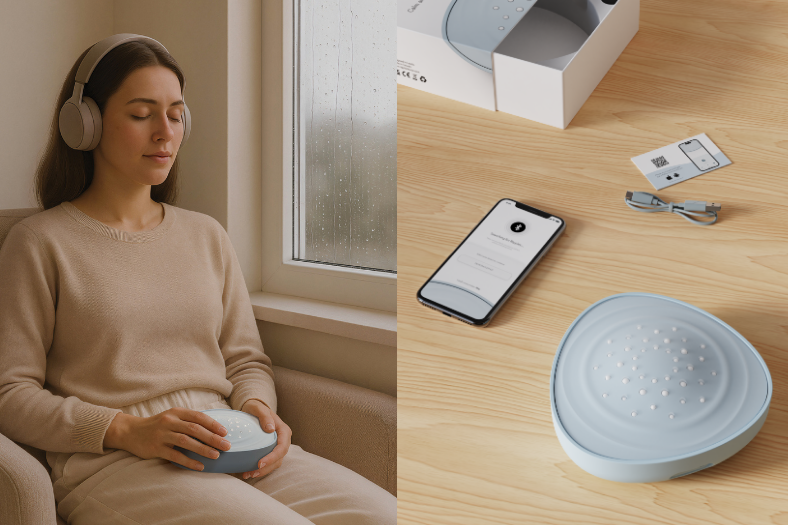
A student project exploring how design can support emotional wellbeing is offering design and technology teachers a powerful example of how creativity, research and engineering can come together to solve meaningful real-world problems.
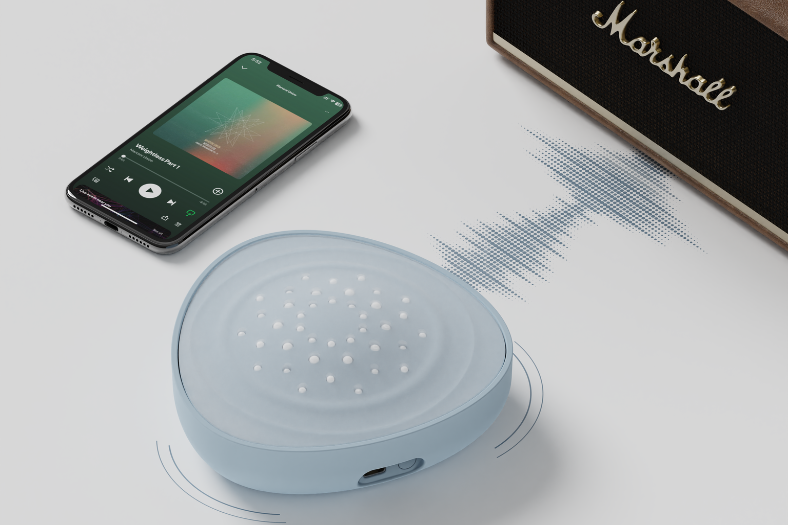
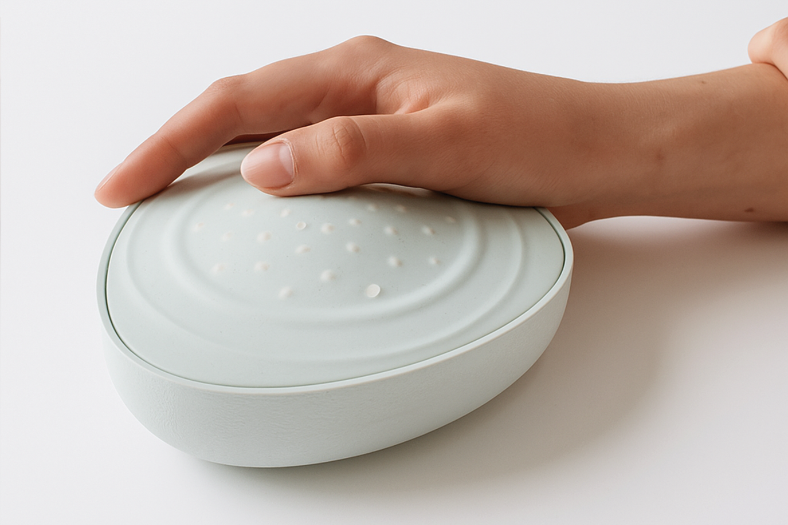
Developed by University of Leeds Product Design graduate Utsav Mahendra Jolapara, Ripple is a multisensory device designed to help reduce anxiety and panic attacks by translating music into gentle tactile movements. The project combines user-centred design, electronics, prototyping and app development to create a calming experience that encourages users to reconnect with themselves during moments of distress.
A strong example of the design process in action
Ripple demonstrates the complete design process, making it a valuable classroom case study. Beginning with primary research into users’ lived experiences, the project progressed through ideation, iterative prototyping and extensive user testing before reaching its final design.
Throughout development, Utsav refined both the mechanical and electronic systems, moving from complex early concepts to an efficient single-motor mechanism. Alongside CAD modelling, material testing and 3D printing, he also designed a custom PCB and developed a companion app using Python, highlighting the breadth of technical knowledge required in modern product design.
Inspiring meaningful classroom conversations
For design and technology teachers, Ripple provides an engaging example for exploring inclusive design, human-centred innovation and designing for health and emotional wellbeing. It demonstrates how empathy can drive technical decision-making, showing pupils that even small design refinements can significantly influence the user experience.
Teachers can extend these themes through the Inspired by Industry context with Salsus Design, which introduces pupils to user-centred design, ergonomics, anthropometrics and inclusive design while developing accessible digital music controllers and interfaces. Supporting mid to late Key Stage 3, the resource covers CAD, CAM, rapid prototyping, electronics and manufacturing processes, guiding pupils through the full design process, from empathising with users to testing and refining solutions using real industrial methods.
The project has received widespread recognition, winning the Positive Impact Award at New Designers 2025 and earning further recognition at the Design & Technology Association Excellence Awards 2025. As Utsav continues his career in medical product design, Ripple stands as an inspiring reminder of how design and technology can create positive change while providing teachers with a relevant, industry-inspired context to bring purposeful, user-centred design into the classroom.
Teachers can access the PDF version of this article, featured in Designing 133 below and download their digital copy of the magazine here.


