
Designing remote prostate care
Published 16th June 2026
A user-centred healthcare project with real-world impact
A final year design project from Brunel University of London is demonstrating how design and technology can respond to real-world challenges through innovation, empathy and user-centred thinking.
Created by BSc Design graduate Anna Chapman, the Remote Prostate Health (RPH) Monitor explores how product design, electronics and digital technologies could improve access to prostate health monitoring while reducing pressure on healthcare services.
Prostate cancer affects 1 in 8 men and often requires repeated hospital visits for PSA testing and ongoing monitoring. Existing at-home testing options can be slow, limited in the detail they provide, or dependent on laboratory processing, creating opportunities for more accessible and reliable alternatives.
From personal insight to purposeful design
Inspired by her Grandad’s experience following treatment and ongoing follow-up appointments, Chapman set out to investigate how remote testing could become more practical and meaningful for patients.
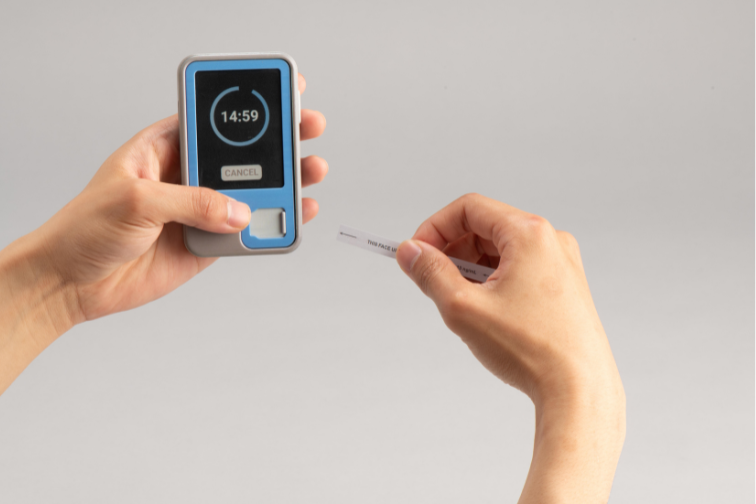
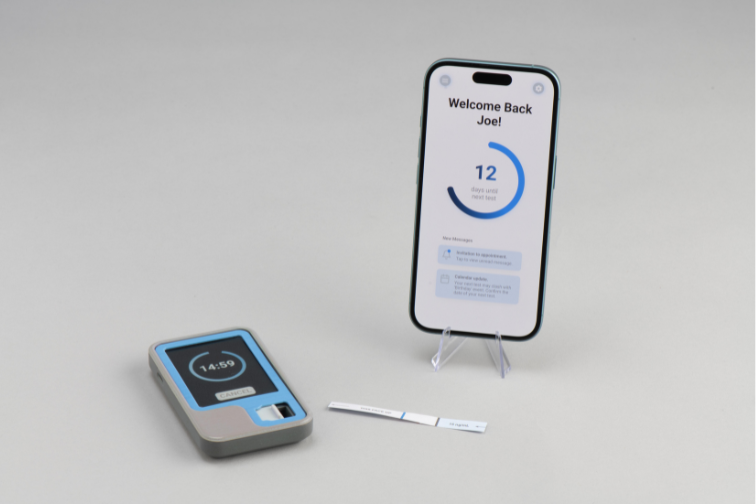
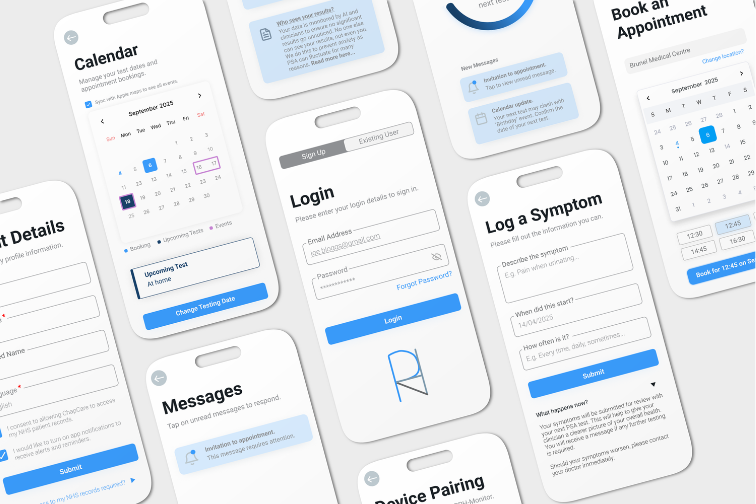
The resulting concept combines a reusable testing device with a colour-based sensing system. Users complete a finger-prick blood test and insert a test strip into the handheld device, where an RGB colour sensor interprets the result and converts it into a measurable PSA reading. Data is then analysed alongside wider health information and stored through a companion app to support longer-term monitoring.
Throughout development, Chapman worked closely with potential users, testing ergonomics, refining digital interfaces and responding to concerns around anxiety and confidence in remote care.
For design and technology teachers, the project offers a strong example of iterative design, electronics integration and human-centred problem solving. It highlights how classroom skills can translate into solutions that address genuine social and healthcare needs, showing students the wider value and impact of design beyond the classroom.
Teachers can access the PDF version of this article, featured in Designing 133, below and download their digital copy of the magazine here.


