
Ways of [Machine] Seeing
Published 13th May 2026
A creative approach to helping students question how AI shapes design
As generative AI tools become increasingly common in schools, the Ways of [Machine] Seeing (WoMS) project is helping design and technology teachers explore AI literacy through creative, classroom-ready activities.
Developed in collaboration with secondary school teachers, WoMS encourages students to investigate how AI systems ‘see’ the world and how those systems influence creativity, design and decision-making. Inspired by John Berger’s Ways of Seeing, the project focuses on critical thinking rather than technical expertise, helping students understand the assumptions and biases built into AI-generated images and data.
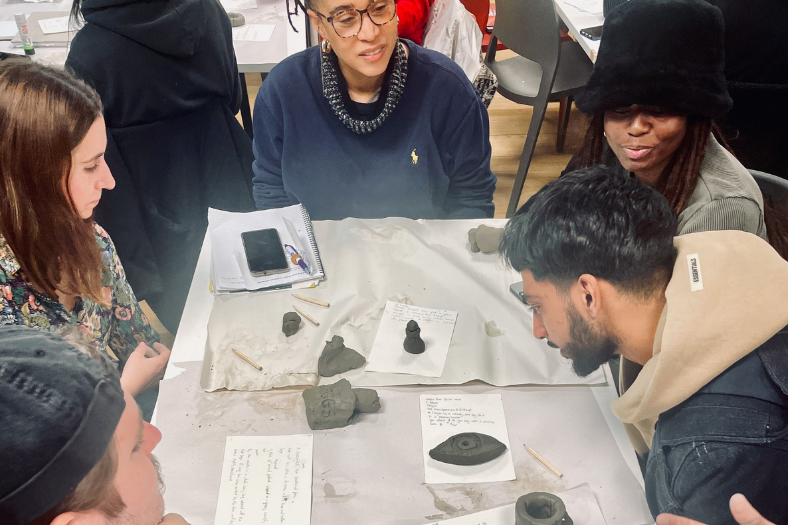
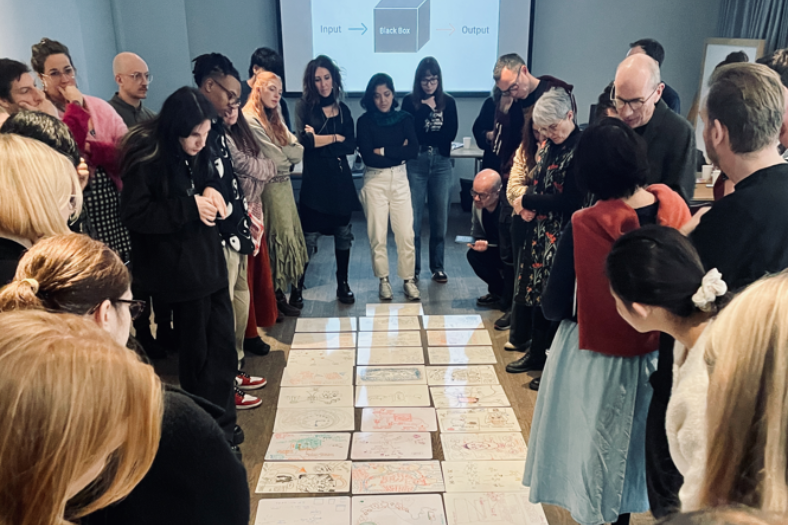
Activities including “Unmasking Facial Recognition” and “(Mis-)Representing Place” invite students to explore how machines interpret visual information and what can be excluded in the process. In “Make Like a Machine”, students respond to prompts through model-making and sculpture, encouraging discussion around interpretation, language and bias within generative AI systems.
Supporting practical, thoughtful classroom learning
WoMS places creativity and investigation at the centre of learning. Rather than viewing AI as a shortcut, the project positions it as a tool for collaboration, reflection and ethical debate. Activities support key areas of design and technology, including iterative design, contextual understanding and material exploration.
Importantly for teachers, many activities are fully ‘unplugged’, requiring little or no technology. The project also includes teaching resources, safeguarding guidance, glossaries and FAQs, making it accessible for schools with varying levels of digital provision.
As AI becomes more embedded within creative industries, WoMS offers teachers a practical way to help students critically evaluate the technologies shaping their world. By encouraging students to question both what they see and how they see it, the project demonstrates how AI can strengthen, rather than replace, creative education.
Teachers can access the PDF version of this article, featured in Practice 1 2026 below and download their digital copy of the magazine here.


