


Design icons: The Eames lounge chair
Where comfort meets innovation
Introduced in 1956, the Eames lounge chair transformed the traditional armchair into a modern design classic. Created by American designers Charles and Ray Eames, it combines curved plywood shells, leather upholstery and a polished aluminium base to deliver comfort with distinctive style. Its enduring appeal makes it a valuable case study for design and technology teachers exploring how materials, manufacturing and user needs shape successful products.
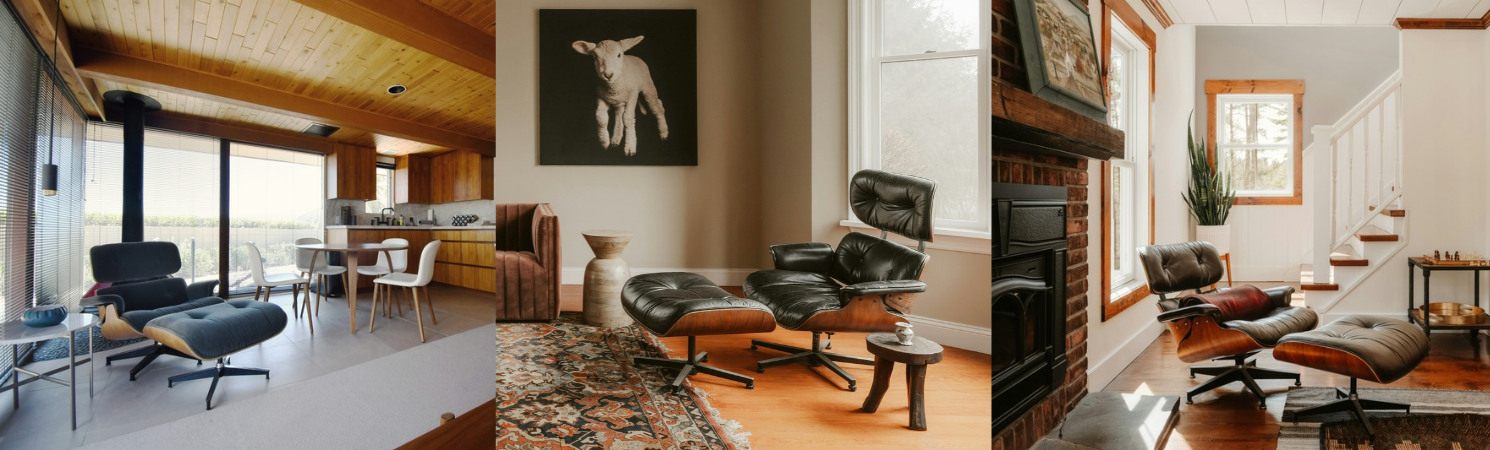
From design challenge to timeless icon
The Eames’s wanted to create a chair that felt as comfortable as a well-worn baseball glove. Their solution combined three curved plywood shells with padded leather cushions, flexible rubber and metal shock mounts, and a matching ottoman. Their earlier experiments with moulded plywood, including medical splints developed during the Second World War, helped inform their approach to shaping wood into strong, curved forms.
The chair's success lies in the relationship between form and function. Carefully selected materials, considered proportions and skilled manufacturing created a product that was both practical and visually distinctive.
Its continued production demonstrates the lasting appeal of thoughtful design, although its premium price also raises questions about accessibility, consumer culture and sustainability.
Bringing design icons into the classroom
For design and technology teachers, the Eames lounge chair offers opportunities to explore ergonomics, material properties, manufacturing processes and sustainability. Pupils can investigate how moulded plywood achieves its shape, evaluate the relationship between components and consider how designers balance strength, comfort and appearance.
These ideas connect with the Design & Technology Association's Inspired by Industry context, Minimising Parts, developed with KI Europe. This KS3 resource challenges pupils to explore how furniture designers can reduce components without compromising strength or functionality, using approaches including CAD, CAM, modelling and rapid prototyping.
Inspired by Industry is free for everyone to access. Design & Technology Association members can also explore additional member-only Focused Tasks, Investigative and Evaluative Activities and curriculum units to extend teaching and learning across the context.
Teachers can use the chair as a starting point for discussion: could its construction be simplified, and what might be lost or gained? By analysing an established design before developing their own solutions, pupils can connect design decisions with real-world industry challenges.
Explore the Minimising Parts context with KI Europe and bring these industry connections into the classroom.