


Engineering wonders - Nike Flyknit
Engineering performance, one stitch at a time
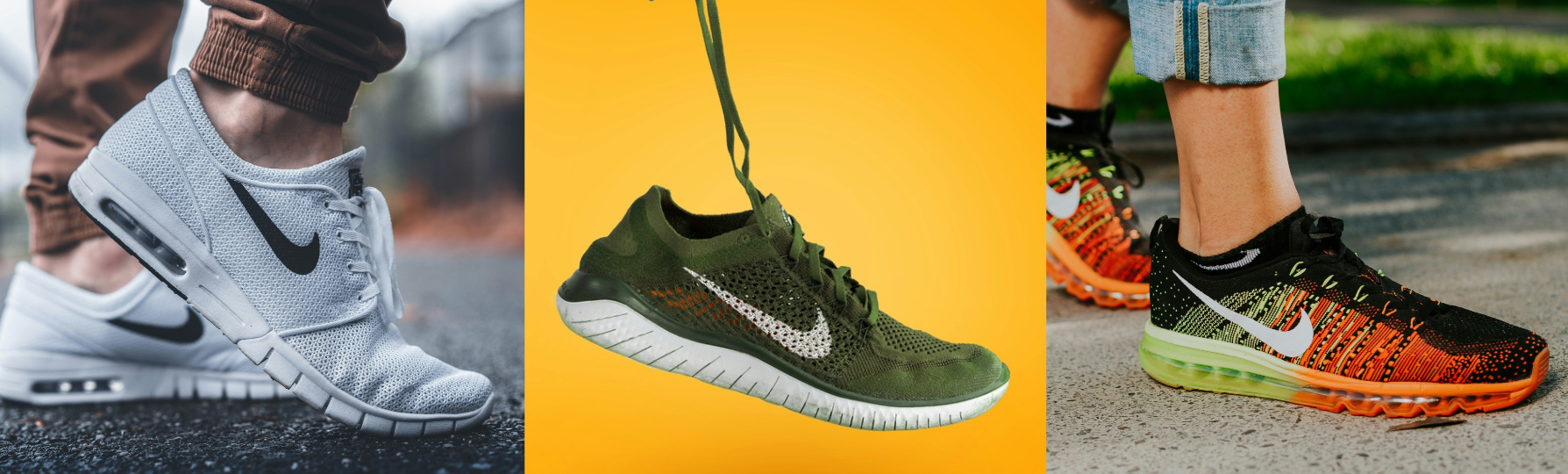
What if a running shoe could be knitted rather than cut, stitched and assembled? That was the thinking behind Nike Flyknit, an innovation that transformed how sports footwear could be designed and manufactured.
Developed by Nike following more than a decade of research and development, the technology launched in 2012, ahead of the London Olympic Games.
The challenge was to create a lightweight, breathable running shoe that offered athletes support and flexibility without the bulk and material waste associated with traditional footwear manufacturing. Conventional shoes are assembled from multiple pieces of fabric, cut to shape and stitched together, leaving material offcuts.
Digital knitting meets precision engineering
Nike's solution was to rethink the manufacturing process. Using digitally controlled knitting technology, designers and engineers developed a way to create a shoe's upper directly from yarn, with different knitting structures engineered into specific areas.
This allowed the team to control where the material provided stretch, breathability and support, producing a lightweight, close-fitting upper in a single knitted construction. The process also used material more precisely, reducing manufacturing waste compared with traditional cut-and-sew footwear uppers.
Flyknit demonstrated how digital technology, material science and textile engineering could work together to solve performance and manufacturing challenges. Its influence continues to shape footwear design, with precision knitting now an established approach to creating technical sports products.
The classroom connection
Nike Flyknit offers teachers an opportunity to explore textiles, material properties, CAD, manufacturing processes and sustainable design. Students could investigate how different stitch patterns affect stretch and strength or compare knitted construction with traditional cut-and-sew methods.
There is also a wider connection to the Design & Technology Association's Inspired by Industry Year 7 Gola: Carrying Sports Kit context, where students consider the needs of people participating in sport and how products can be designed to support them. Explore the Inspired by Industry Carrying Sports Kit context with Gola to bring these design challenges into the classroom. The free Inspired by Industry context is available to access, with additional focused tasks, investigative and evaluative activities and curriculum units available to D&TA members.