


Engineering wonders: the Thames Barrier
Few structures demonstrate the power of design and engineering quite like the Thames Barrier. Spanning the River Thames at Woolwich, London, this remarkable flood defence was designed to protect the capital from rising water and one of the most significant natural threats facing the city.
A feat of design and engineering
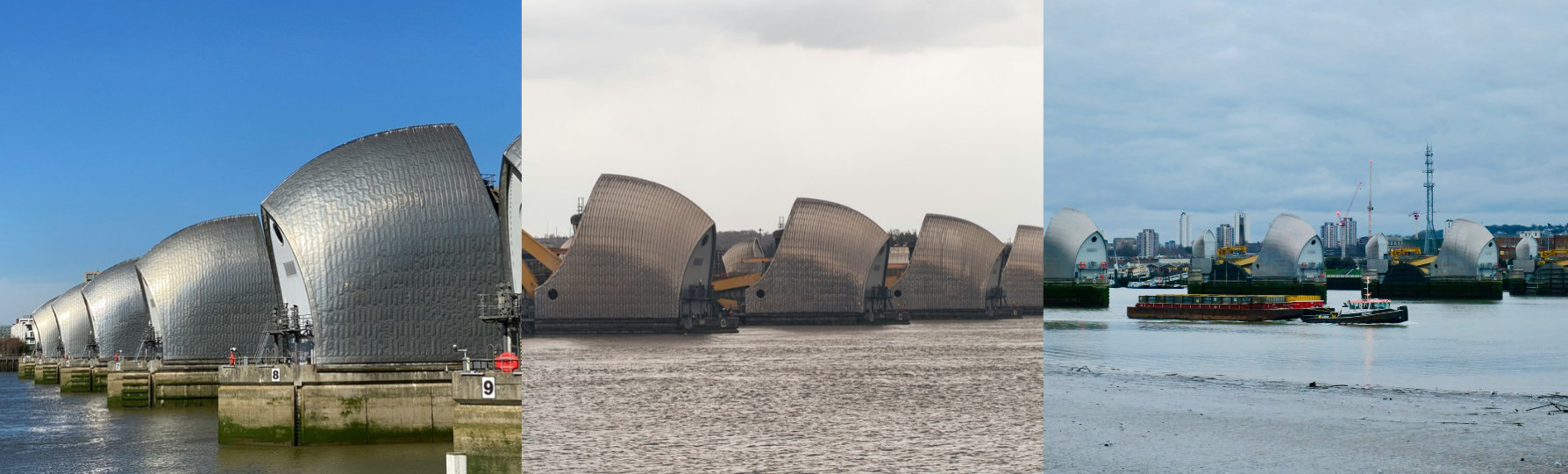
Construction began in 1974, following decades of debate about how London could be protected from flooding. The Barrier was officially opened in 1984 and consists of 10 steel gates stretching across the river. When raised, the largest gates stand as high as a five-storey building, creating a striking example of how engineering can combine function, scale and visual impact.
The design had to solve a complex problem: how could a major river remain open to shipping while also providing protection from increasingly severe flood events? The answer was a series of movable gates, which normally sit flat on the riverbed to allow vessels to pass. When needed, they rotate upwards to form a continuous barrier across the Thames.
The project brought together structural engineering, mechanical systems, materials, construction and environmental considerations, making it a particularly rich example of design and technology in the real world.
Bringing the Thames Barrier into the classroom
For design and technology teachers, the Thames Barrier offers a powerful starting point for exploring how designers and engineers respond to real-world challenges. It can support discussions around mechanisms, structures, materials, forces, sustainability and the relationship between people, places and technology.
It also provides an opportunity to look beyond the finished structure and consider the design decisions behind it. What constraints influenced its form? Why were movable gates chosen? How might the design need to change if it were developed today?
Thames Barrier provides an engaging case study of how design and engineering can shape the places in which people live, while offering teachers a real-world example for bringing technical concepts to life.