


Engineering wonders: The Forth Bridge
Solving the challenge of crossing the Firth of Forth
Stretching across the Firth of Forth in Scotland, the Forth Bridge is a landmark of Victorian engineering. Opened in 1890, it carries the railway between Edinburgh and Fife, providing a vital connection across a challenging stretch of water. Designed by Sir John Fowler and Sir Benjamin Baker and built by contractors Sir William Arrol & Co., the bridge demonstrated how innovative structural design could overcome formidable geographical constraints.
The engineers faced strong winds, deep water, tidal conditions and the need to create a reliable railway crossing. The structure had to withstand the repeated loads of passing trains while remaining stable in exposed conditions. An earlier bridge design had been abandoned following the collapse of the Tay Bridge in 1879, reinforcing the importance of structural safety and rigorous engineering.
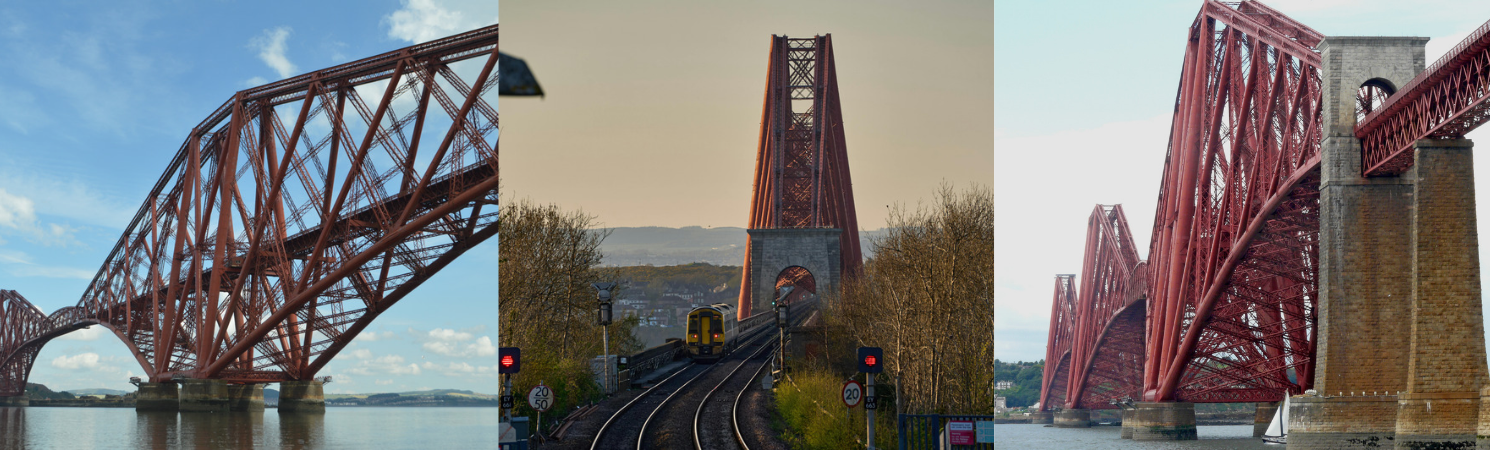
A cantilever design built for strength
The solution was a steel cantilever bridge, using enormous projecting arms supported by robust towers. Rather than relying on a series of supports across the water, the design transferred loads through the structure to substantial foundations. Its distinctive framework of interconnected steel members distributes forces through tension and compression, creating a strong, stable structure.
The bridge was built using thousands of steel components, assembled with riveted connections. Its construction required careful planning, precise fabrication and the coordination of complex engineering work in demanding conditions. The result was a pioneering example of large-scale steel construction.
Recognised as a UNESCO World Heritage Site in 2015, the Forth Bridge remains an important railway link and a lasting symbol of engineering innovation.
For design and technology teachers, it offers a practical starting point for exploring structural systems, forces, material properties and design constraints. Pupils could investigate how triangulated frameworks improve strength or compare steel with alternative construction materials.
Inspired by Industry connection
The Forth Bridge offers a real-world example of the engineering principles explored in Inspired by Industry’s Reducing Weight & Maintaining Strength context, developed with Lisi Aerospace. Teachers can use the bridge’s steel framework to explore how structural members carry loads, how material choices affect performance, and why engineers must balance strength, weight and safety. Pupils could compare the demands of railway infrastructure with aerospace design, asking how engineers achieve strength without adding unnecessary material.