


Behind the product: The retractable tape measure
The clever design behind everyday accuracy
A familiar tool with a surprisingly clever mechanism, the retractable tape measure demonstrates how thoughtful design can make everyday tasks quicker, easier and more accurate. From building furniture to measuring materials in the workshop, its compact design has become an essential part of design and technology.
From measuring tape to pocket-sized innovation
The modern retractable tape measure developed through several stages of innovation. In 1868, American inventor Alvin J. Fellows patented an improved spring-loaded tape measure, introducing a mechanism that allowed the tape to be locked at a chosen length and released when needed. His design built on earlier spring-return measuring devices, addressing the practical challenge of keeping a measurement in position without having to hold the tape manually.
A further development came from Hiram A. Farrand, who patented a design in 1922 featuring a curved metal measuring blade. This shape helped the tape remain straight when extended, while allowing it to coil neatly inside its casing for storage.
Engineering cleverness in a compact design
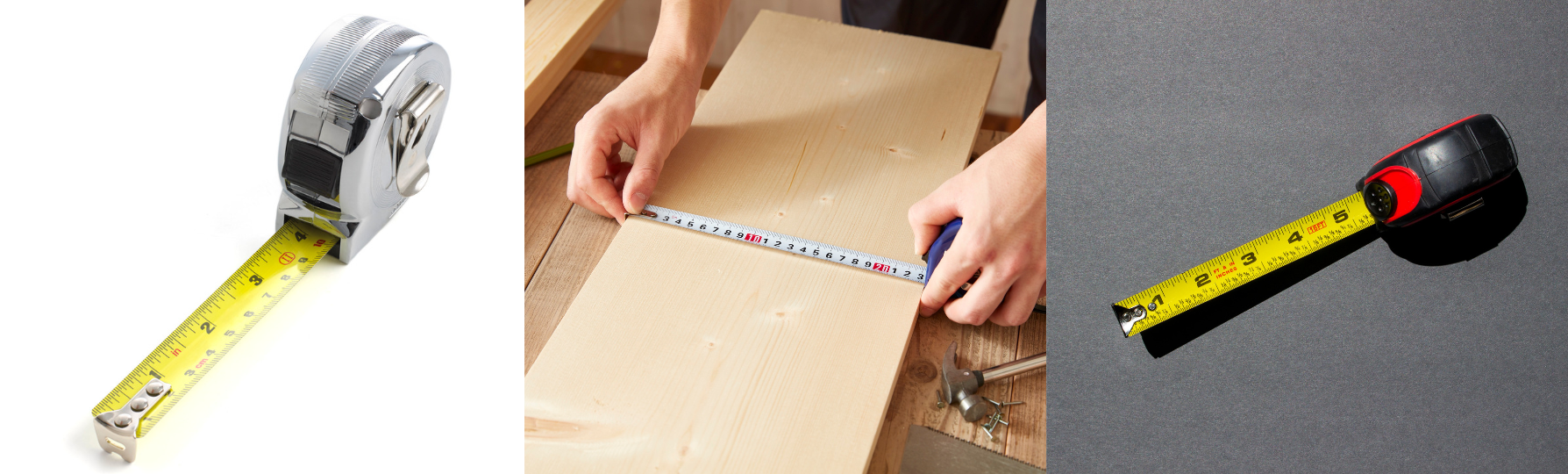
Today's retractable tape measures typically combine a thin, curved steel blade, a spring-loaded winding mechanism, a locking button and a protective plastic or metal casing. The curved profile gives the blade greater rigidity, helping it extend unsupported over short distances, while the internal spring automatically rewinds it when released.
For design and technology teachers, the tape measure offers an excellent opportunity for product analysis. Students can investigate how material properties, ergonomics and mechanical systems work together to solve a practical problem. They could explore how the blade balances flexibility and strength, or how the locking mechanism improves usability.
Could students redesign the casing to make it more sustainable or comfortable to hold? How might changing the blade's material or profile affect its performance?
This everyday product shows how incremental improvements, thoughtful material choices and clever engineering can transform a simple measuring tool into an enduring design.