


Design icons - The original Nintendo Game Boy
The design that made gaming portable - A clever response to everyday needs
Launched in Japan in 1989, the original Nintendo Game Boy brought console-style gaming beyond the living room. Developed by Gunpei Yokoi and Nintendo’s Research & Development team, it built on the company’s Game & Watch handhelds and the success of the Nintendo Entertainment System. Interchangeable cartridges offered something earlier pocket games often lacked: a library of experiences in one device.
The challenge was to make gaming affordable, robust and practical on the move, not simply powerful. Yokoi’s team prioritised reliability and battery life over impressive specifications. Its monochrome liquid-crystal display used less power than the colour screens adopted by some rivals, helping players keep gaming for longer.
Form, function and a lasting influence
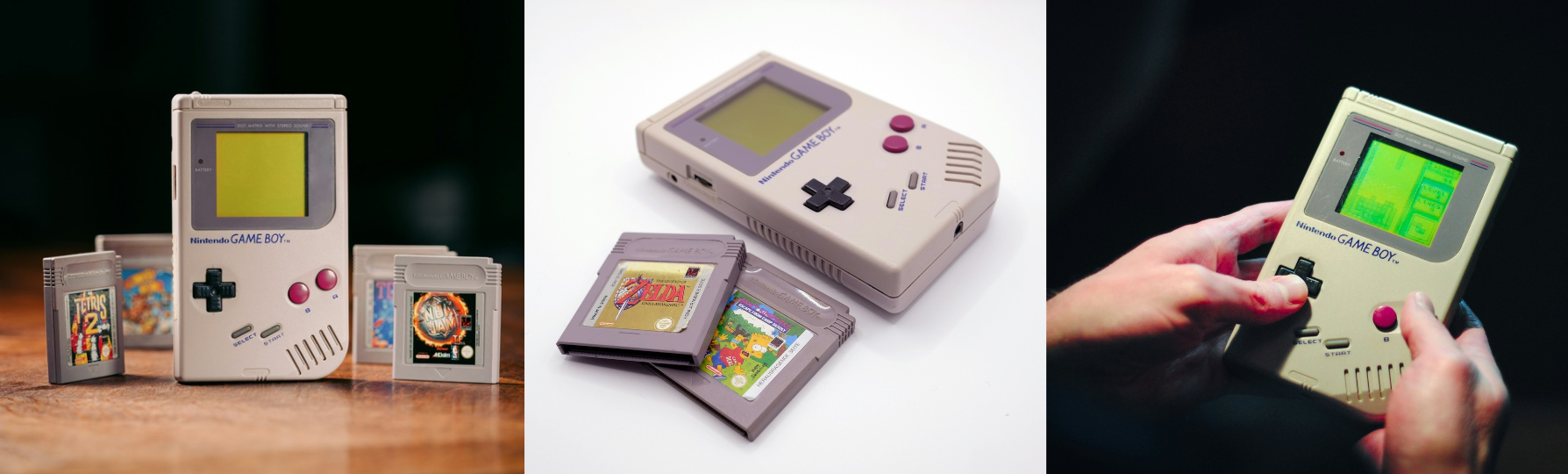
The rectangular casing, cross-shaped directional pad and A and B buttons made the controls intuitive to use with both thumbs. The D-pad provided directional control without a joystick protruding from the casing, while removable cartridges made changing games straightforward. Bundling Tetris in many markets also demonstrated the appeal of a simple, instantly engaging game.
The Game Boy became a cultural landmark, with Nintendo shipping more than 100 million original Game Boy and Game Boy Color systems worldwide. Its success showed that thoughtful compromises, accessible play and strong content could matter more than the most advanced technology.
For design and technology teachers, the Game Boy offers a case study in user-centred design, ergonomics, materials and product development. It also provides a natural link to the Design & Technology Association’s Inspired by Industry Accessible Controllers context, developed with Scalextric. Pupils can explore how controller shape, button placement and functionality influence the user experience, considering how gaming technology can be made more accessible.
How might the Game Boy's controls be redesigned for users with different needs? What design decisions would need to change to make a modern handheld console more inclusive and sustainable?
Explore the Inspired by Industry Accessible Controllers context with Scalextric to bring these design challenges into the classroom. The free Inspired by Industry context is available to access, with additional focused tasks, investigative and evaluative activities and curriculum units available to D&TA members.