


Behind the product: Instant hot chocolate
The clever thinking behind a comforting classic
A familiar winter favourite, instant hot chocolate is more than a simple mixture of cocoa and sugar. Its development brought together food science, product innovation and manufacturing to make a traditionally prepared drink quicker and easier to enjoy.
From surplus ingredients to a household favourite
One of the best-known developments came in the late 1950s, when American entrepreneur Charles Sanna found himself with a surplus of powdered coffee creamer. His family business, Sanna Dairy Engineers, had supplied creamer sachets to the US military during the Korean War. Rather than let the surplus go to waste, Sanna experimented with using it to create an instant cocoa drink.
After testing recipes with his family and local students, he replaced the creamer with non-fat milk powder to reduce costs and improve shelf life. Launched as Swiss Miss in 1961, it was the first instant hot chocolate mix designed to be made with hot water rather than milk.
The design behind the dissolve
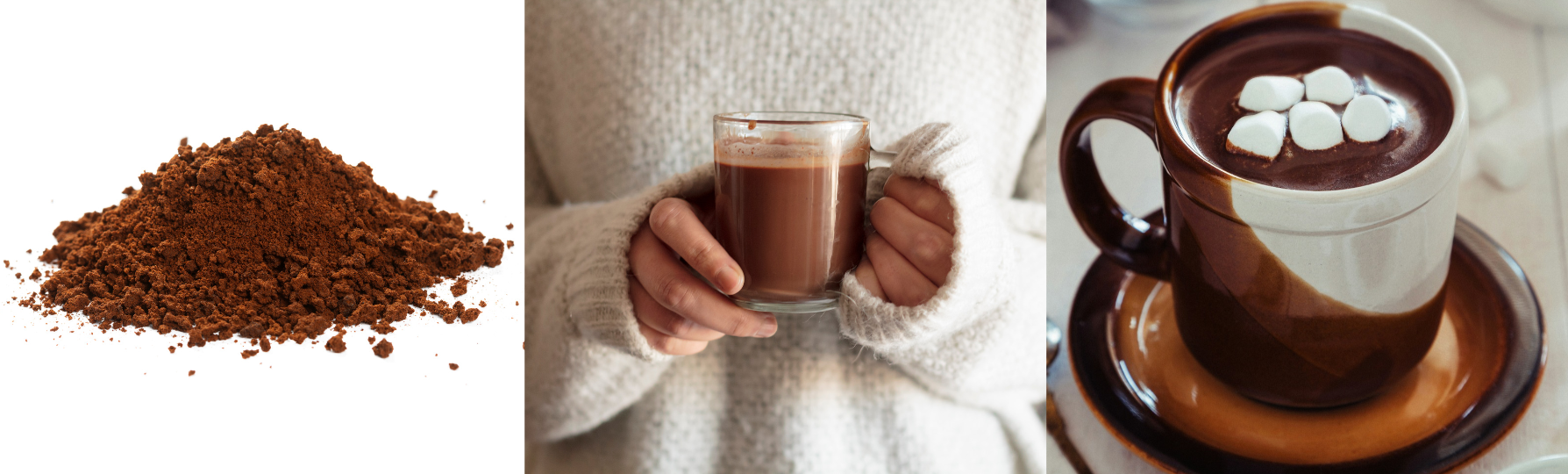
Making cocoa mix quickly dissolve was a key manufacturing challenge. Cocoa naturally contains fat and does not readily mix with water. Earlier innovations, including Coenraad van Houten's hydraulic cocoa press in 1828 and the development of alkalised cocoa, helped make cocoa powder easier to use in drinks.
Later manufacturing techniques, including spray drying and agglomeration, helped create lightweight, porous powder particles that mix more readily with liquid.
Today, instant hot chocolate is available in tubs, sachets and vending formats, bringing convenience to homes, cafés and workplaces.
Bringing instant hot chocolate into the classroom
Instant hot chocolate offers an accessible starting point for exploring food product design, ingredient properties, manufacturing and packaging. Students could compare different powders, investigate how particle size affects mixing or redesign sachets and tubs to reduce material use.