


Design icons: Dr. Martens boots
How comfort, craftsmanship and self-expression shaped an iconic design
First created to improve comfort, Dr. Martens boots have become one of the most recognisable footwear designs in the world. Their journey from practical workwear to a symbol of individuality offers a fascinating example of how thoughtful design can influence culture and stand the test of time.
The story began in 1945 when German doctor Klaus Maertens developed an air-cushioned sole while recovering from a foot injury. Working with engineer Dr Herbert Funck, he developed a more comfortable alternative to traditional hard-soled footwear. In 1959, British footwear manufacturer R. Griggs Group acquired the UK manufacturing rights, adapting the design for British workers.
Design decisions that made history
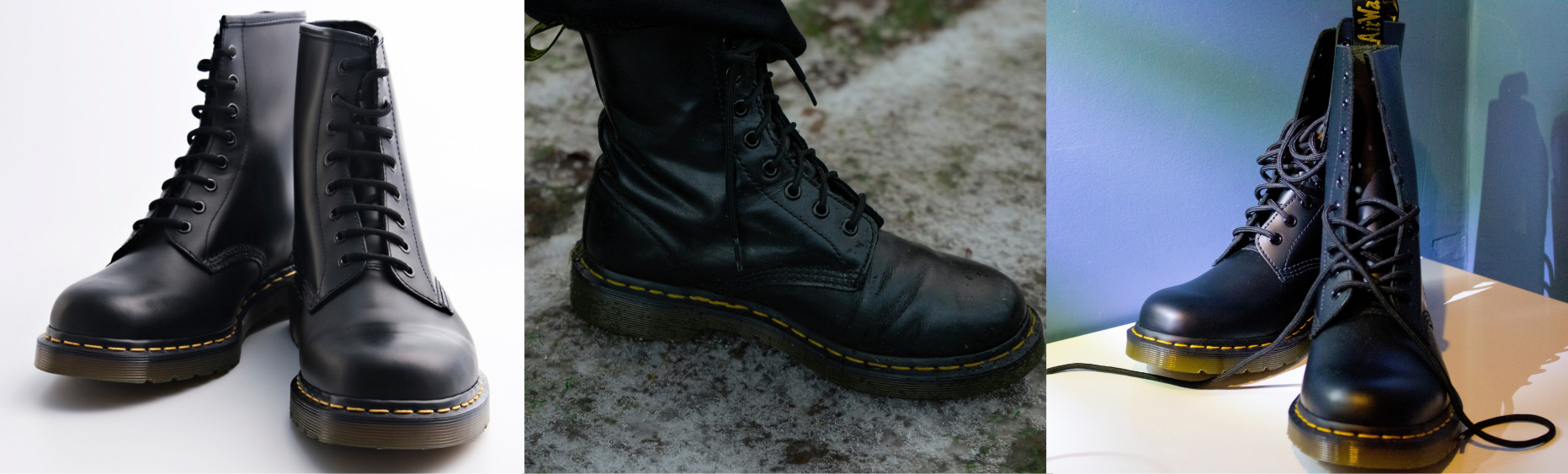
Launched on 1st April 1960, the eight-eyelet 1460 boot combined function with distinctive styling. Its air-cushioned sole offered comfort and durability, while yellow stitching, a grooved sole edge and the black and yellow AirWair heel loop created an instantly recognisable identity.
Its influence soon extended beyond the workplace. Adopted by musicians and youth subcultures, including punk and ska movements, Dr. Martens became a symbol of rebellion, identity and self-expression. Today, the original design continues to inspire new interpretations while retaining its recognisable features.
Bringing footwear design into the classroom
For design and technology teachers, Dr. Martens offers opportunities to explore user-centred design, ergonomics, material selection, manufacturing and sustainability.
There is a particularly relevant connection to the Inspired by Industry context with Community Clothing ‘Plastic Free Trainers’. Founded in 2016 by Scottish designer Patrick Grant, Community Clothing champions ethically sourced fabrics and British manufacturing, while challenging designers to rethink the materials used in everyday clothing and footwear.
Pupils can compare the materials and construction of Dr. Martens boots with the challenge of developing plastic-free trainers. This opens up discussions about alternative materials, product durability, responsible manufacturing and the environmental impact of design decisions.