


Inspired by Industry at St Martin’s School
Pure Electic Context in Practice
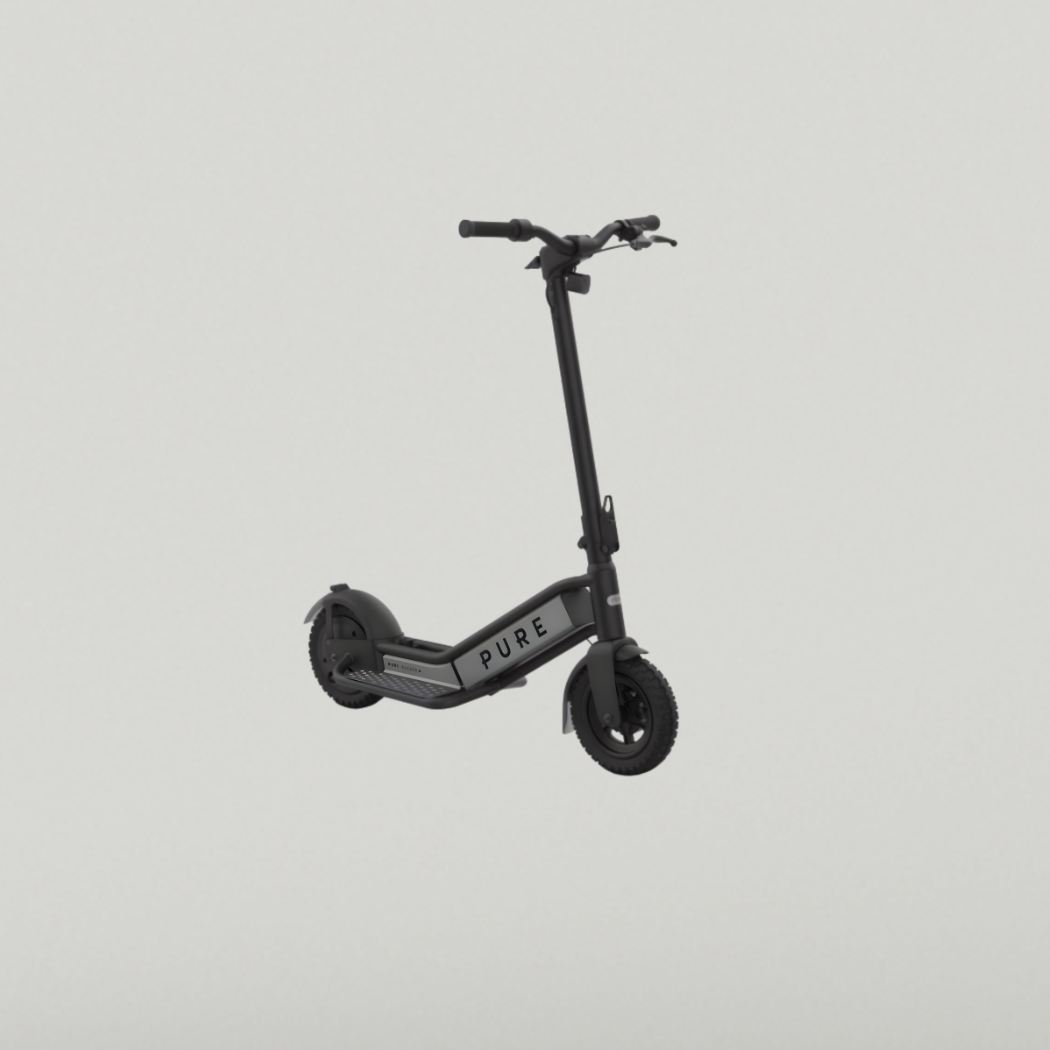
Year 9 students at St Martin’s School in Essex took part in a STEM-focused design challenge centred on sustainable travel. This formed part of a wider initiative to encourage more girls to consider careers in Design and Technology and engineering, combining hands-on prototyping with direct industry engagement. Using a real-world brief developed with Pure Electric, students were challenged to design and prototype cargo carriers for e-scooters, responding to the growing need for environmentally conscious transport solutions.
Bringing Industry Context into Learning
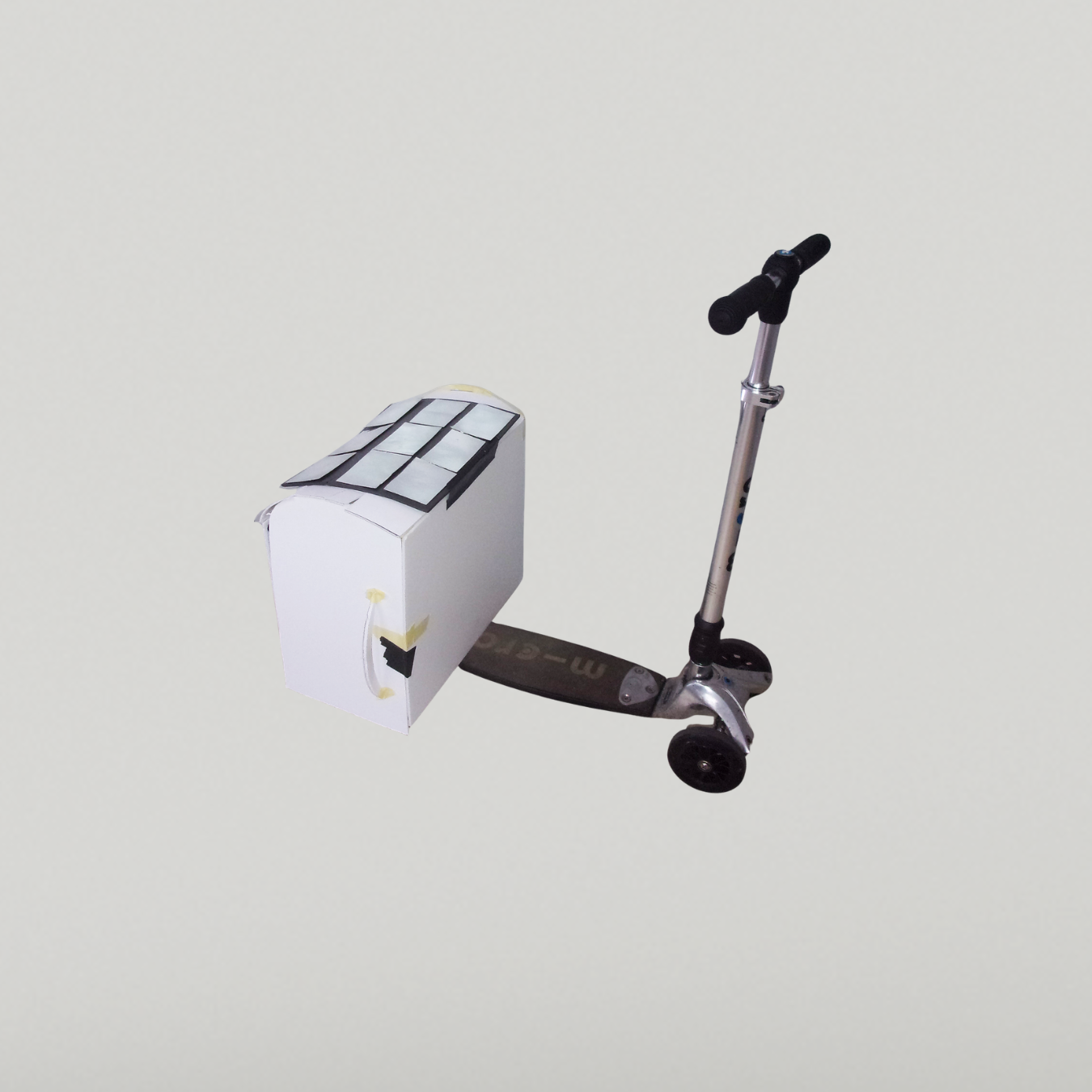
The project was centred on an authentic design brief provided by Pure Electric, challenging students to explore how cargo can be carried using bikes, scooters or other forms of transport. After watching an introduction from the company’s Head of Product, students explored user needs and began to define their design intentions. This industry connection helped students understand the real-world application of their ideas. The activity was adapted by the school into a focused one-and-a-half-hour design challenge as part of a wider STEM event.
The Design Challenge
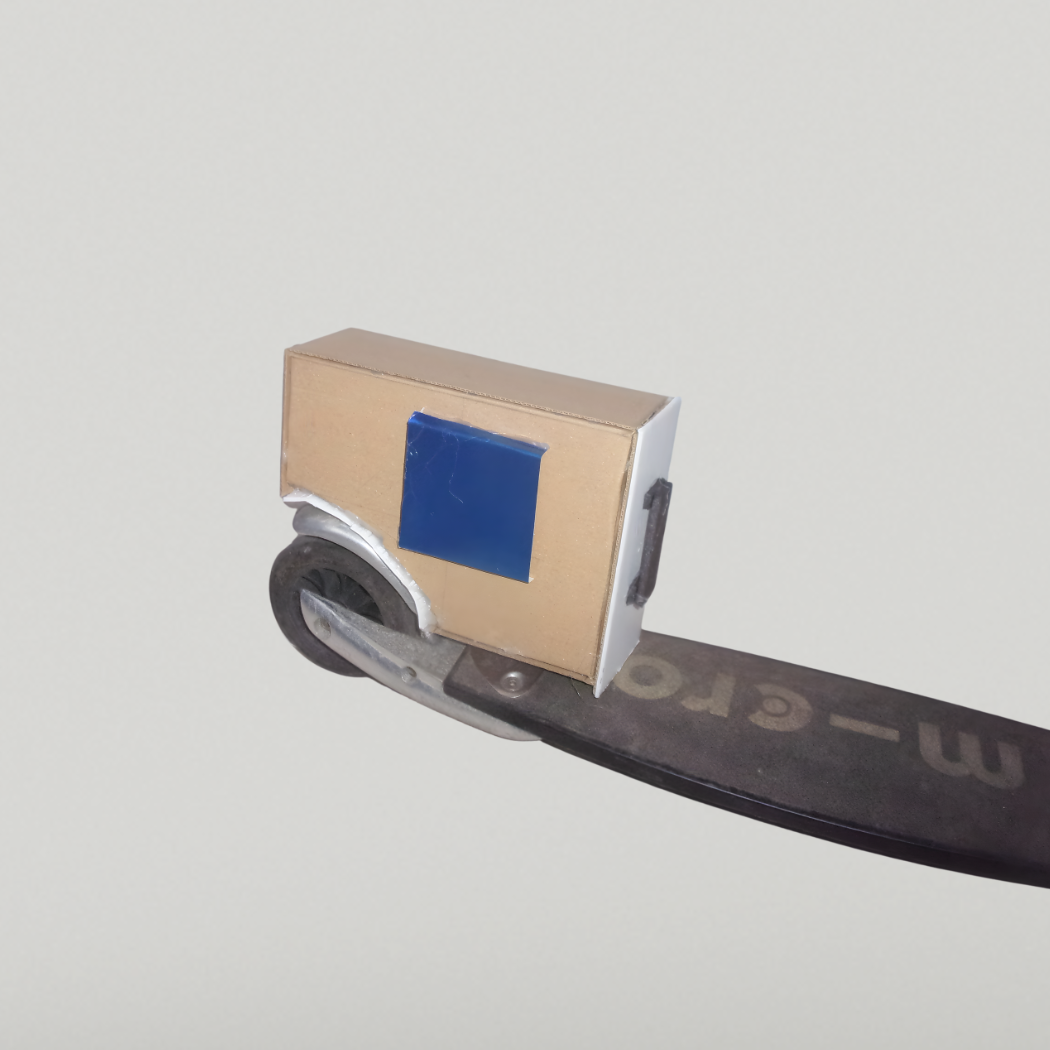
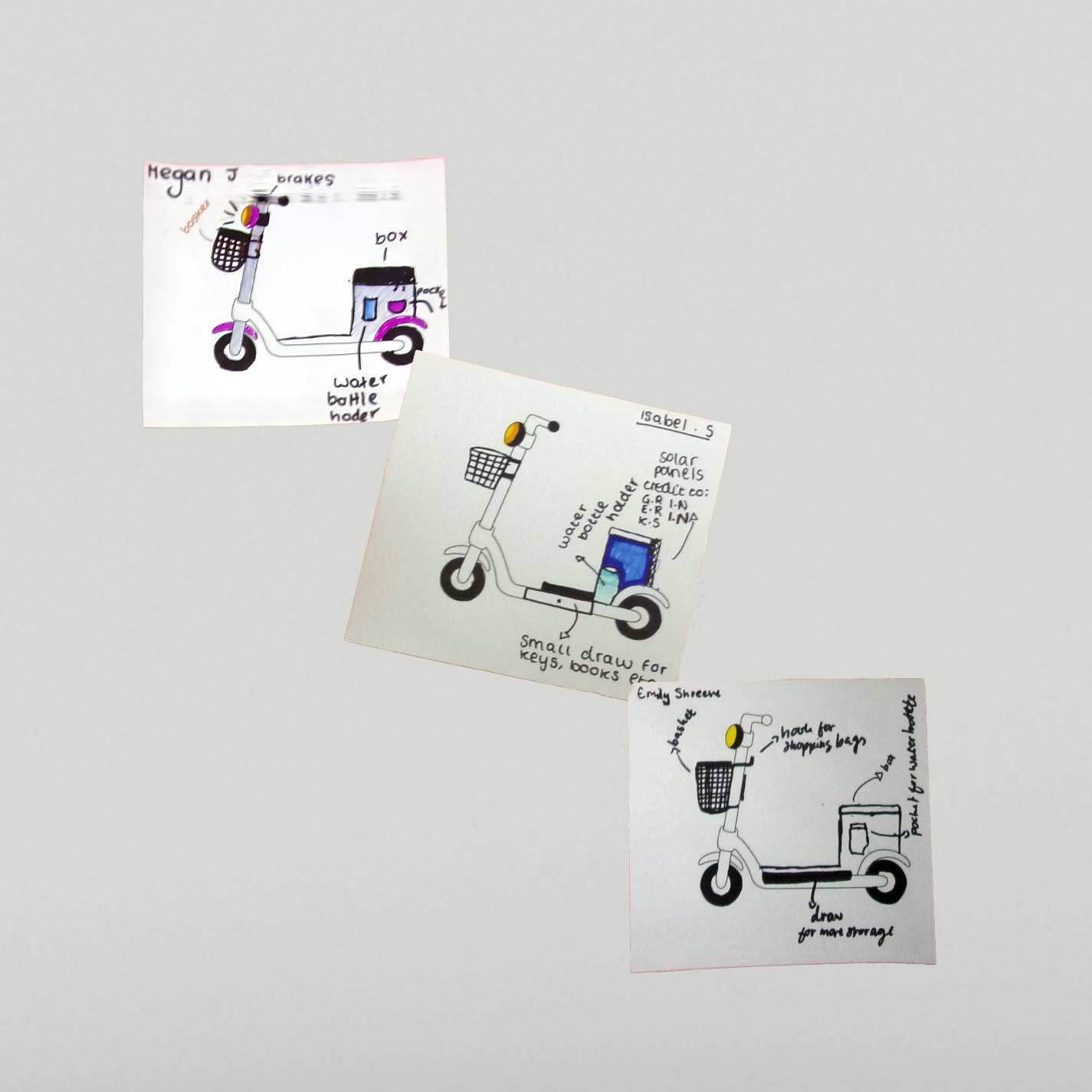
They began by sketching initial ideas using provided templates, before moving into prototyping. Within a limited timeframe, students developed card models to test and communicate their concepts. The challenge required students to apply user-centred design thinking alongside practical making skills. Considerations included storage capacity, user comfort and the practicalities of integrating solutions with existing transport systems. The outcomes demonstrated a high level of creativity and engagement, with students proposing innovative ideas such as modular storage systems, kinetic and solar-powered charging features, and adaptable designs capable of transporting a range of items.
Skills and Learning
Throughout the activity, students applied a range of skills aligned with both the Design and Technology curriculum and industry practice. They engaged in problem solving, modelling and iterative design, while also drawing on mathematical understanding and spatial awareness. The fast-paced nature of the task encouraged decision-making, collaboration and resilience, with students refining their ideas in response to time constraints and practical challenges.