


Inspired by Industry at North Halifax Grammar School
Embedding Engineering
At North Halifax Grammar School, the Design and Technology department has taken a proactive approach to reversing a decline in GCSE and A-Level uptake. Despite many students progressing into engineering-related pathways, few were choosing A-Level D&T. This prompted a rethink of how the subject was positioned at Key Stage 3. Rather than introducing a separate engineering qualification, the department chose to strengthen its existing D&T offer by embedding engineering principles earlier and more explicitly. Drawing on the Design and Technology Association’s Writing Your KS3 D&T Curriculum course, a more coherent and progressive curriculum was developed, moving students from structured tasks towards increasingly independent design work.
Building Relevance Through Industry and Context
A key priority was making the link between classroom learning and real-world careers more visible. The department has developed connections with industry by inviting parents working in engineering and related fields to share their experiences. A Year 9 assembly, delivered by guest engineers alongside the launch of the If You Were an Engineer, What Would You Do? competition, helped reinforce these links. Alongside this, the curriculum integrates real-world contexts to ensure learning feels purposeful. Engineering concepts such as structures, materials and iterative design are introduced from Year 7, helping students build both technical understanding and confidence in the workshop environment.
Designing for Real Social Impact
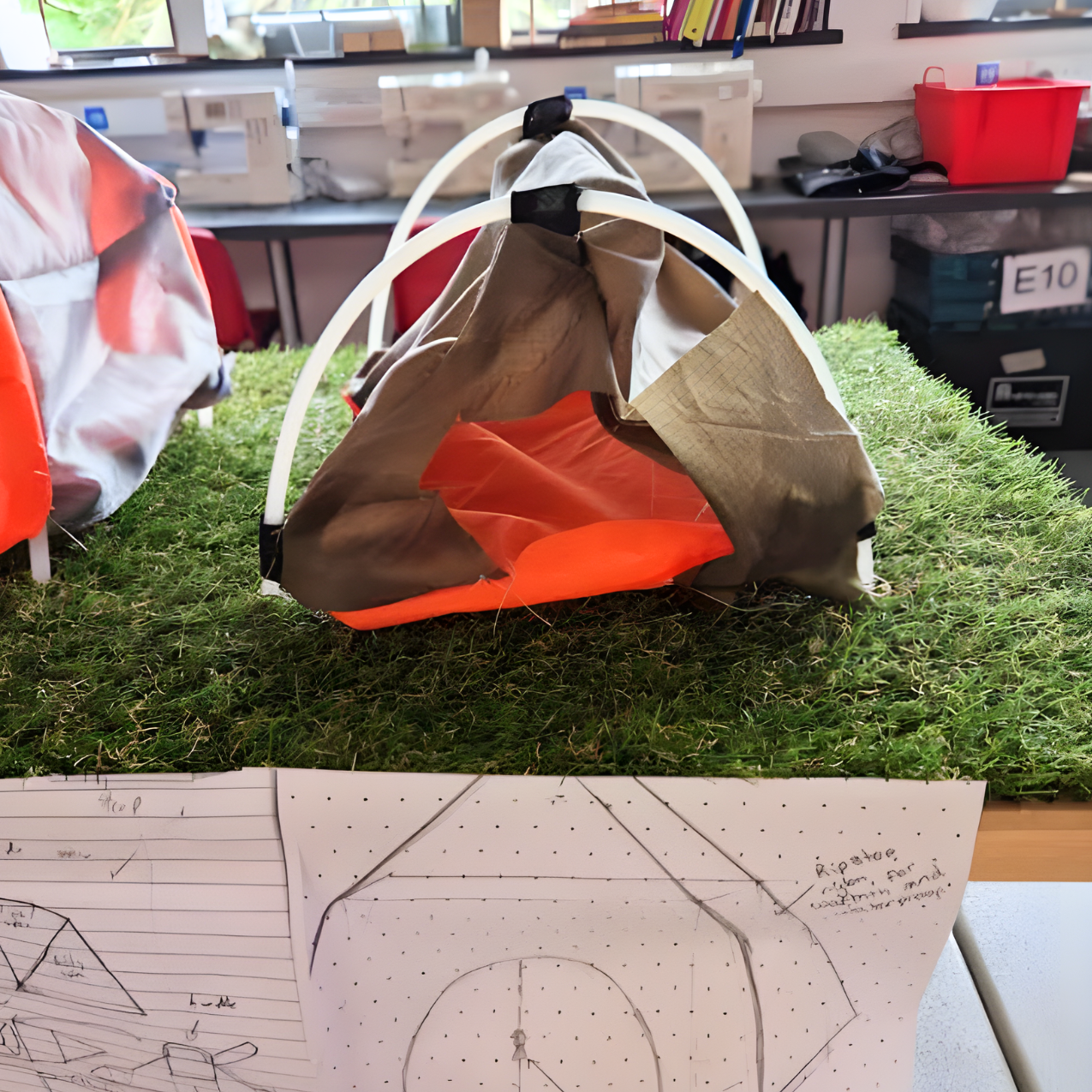
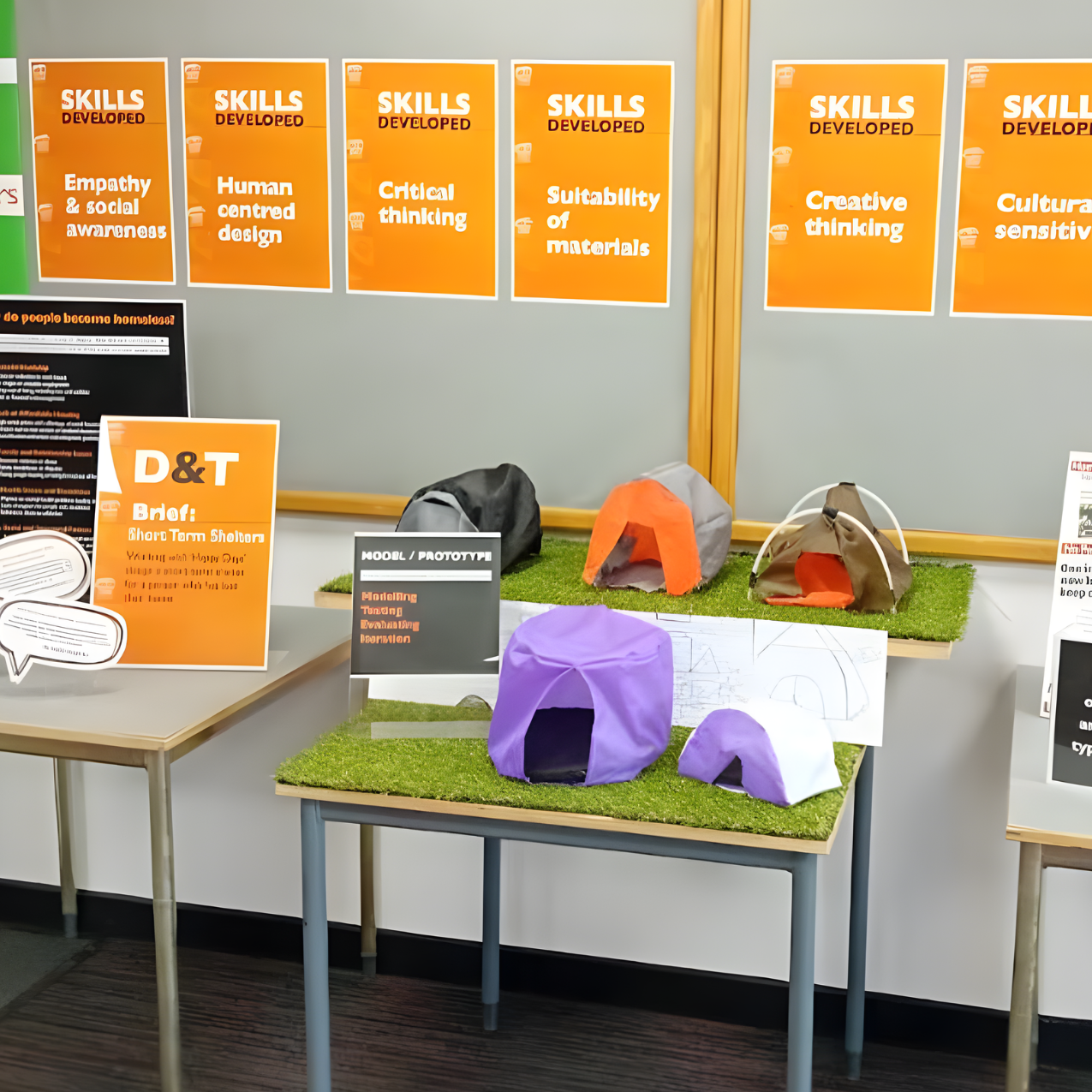
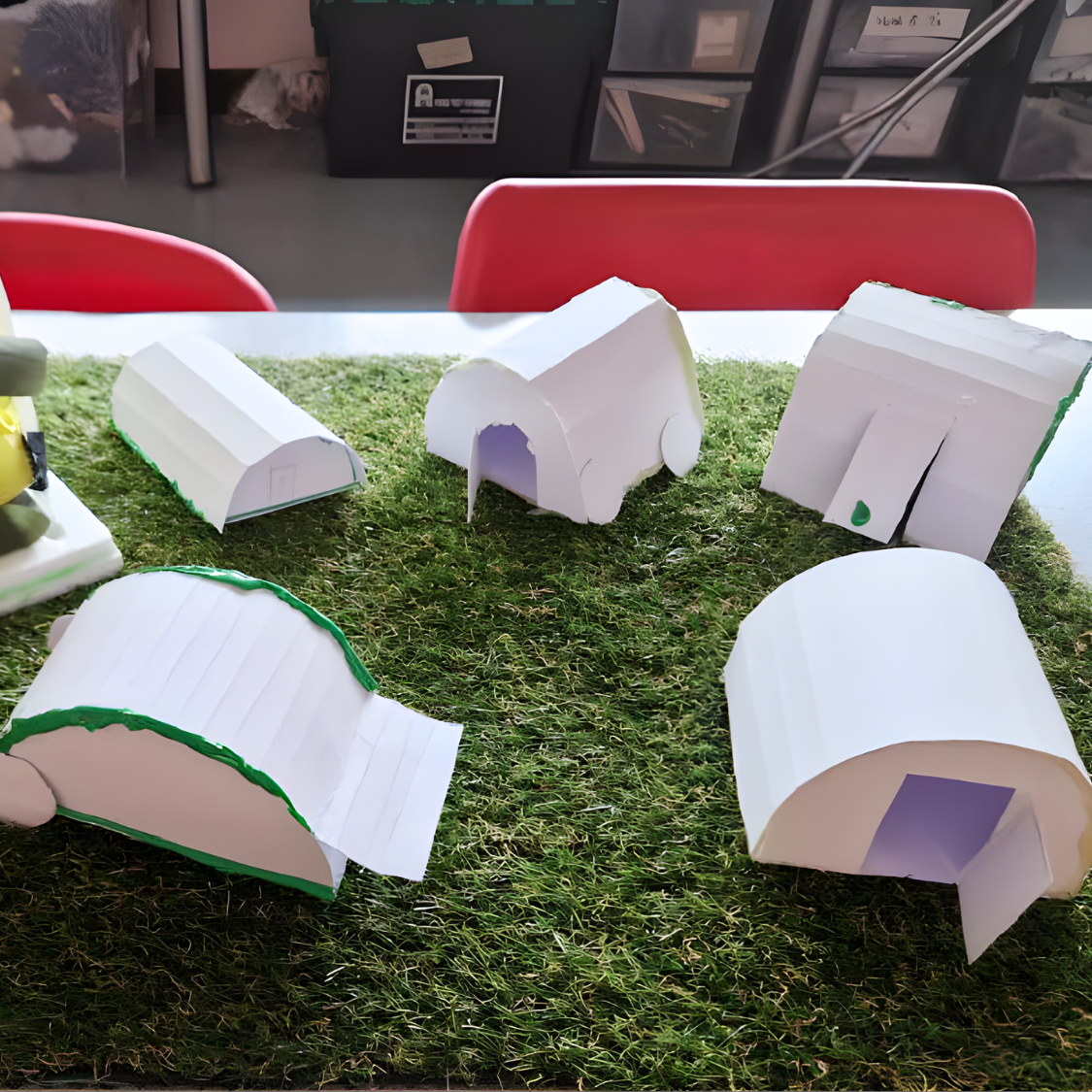
One of the most impactful projects is a Year 8 unit developed in partnership with the Halifax-based homeless charity Happy Days. Students are challenged to design and prototype short-term shelter solutions, combining technical learning with a strong focus on empathy and social responsibility. The project begins with an assembly from the charity, encouraging students to engage thoughtfully with the issue. Using an Inspired by Industry framework, students investigate user needs, explore ergonomics and materials, and develop ideas that prioritise safety, dignity and practicality. Activities such as a timed ‘Mystery Box’ challenge highlight material constraints and encourage creative problem solving, while modelling and prototyping allow students to test and refine their ideas.
Early Impact and Ongoing Development
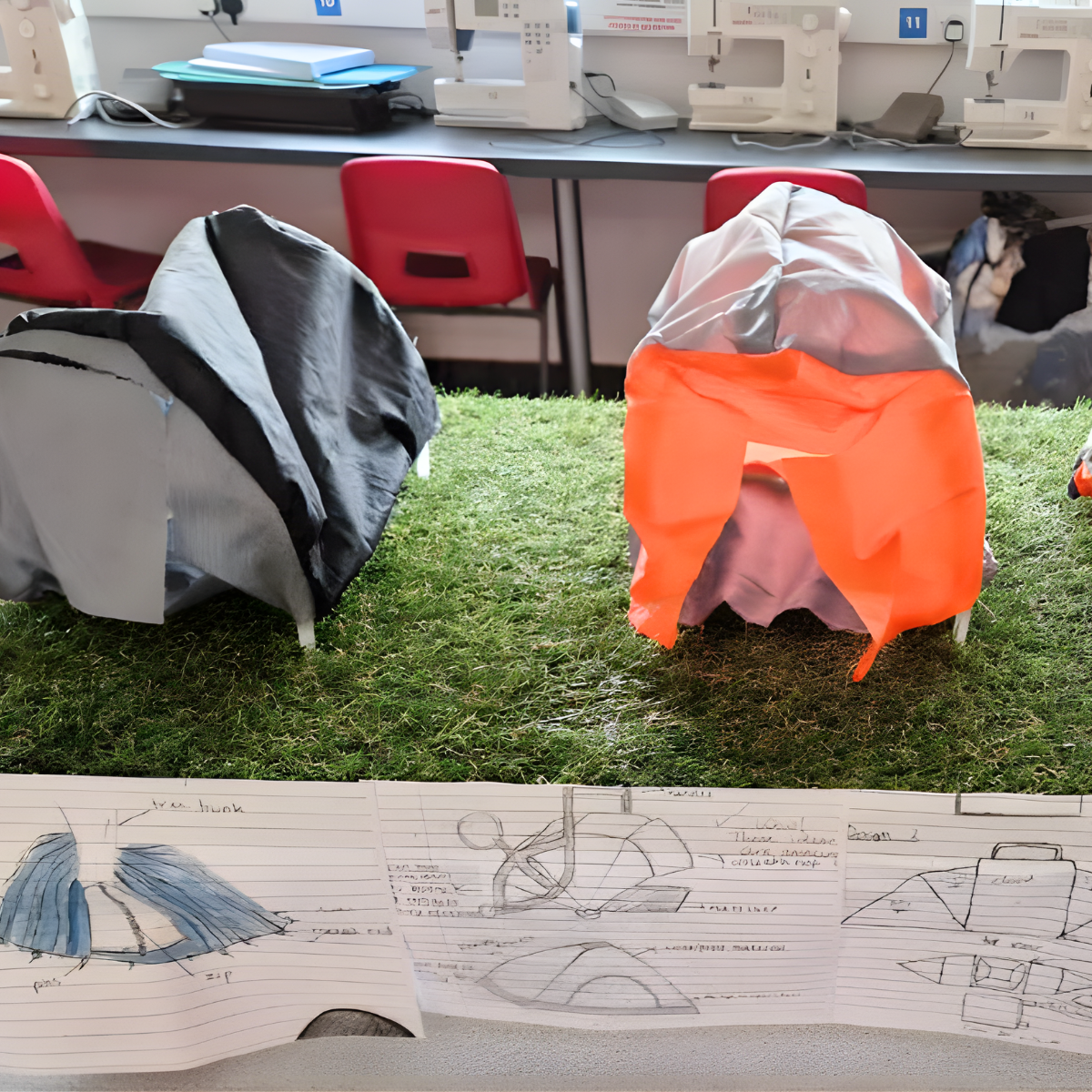
The project is supported by wider learning, including sustainability and the relevance of the United Nations Sustainable Development Goals, alongside resources that deepen students’ understanding of homelessness. Students produce final textile prototypes and evaluate their designs, demonstrating both technical and reflective skills. While it is still early to measure long-term impact, initial outcomes are promising, with GCSE uptake doubling and two groups now running. Student voice, gathered through a Google Form survey, continues to inform development. The department remains committed to refining its curriculum, strengthening industry links and ensuring D&T remains a subject that is relevant, engaging and rooted in real-world impact.